In this biography
Quick facts
- Born
- 22 October 1913
- Died
- 31 July 1997
- Birthplace
- Huế, French Indochina
- Country
- Vietnam
- Nationality
- Vietnamese
- Known for
- Abdicating in 1945 and later leading the French-backed State of Vietnam
- Birth name
- Nguyễn Phúc Vĩnh Thụy
- Imperial reign
- 1926–1945
- State office
- Chief of State, 1949–1955
- Dynastic place
- Thirteenth and last Nguyễn emperor
Why this life matters
Bảo Đại occupied the symbolic centre of several Vietnamese political transitions but exercised limited authority under both French colonial constraints and the State of Vietnam arrangement.
Timeline
Key moments
Born in Huế
Born Nguyễn Phúc Vĩnh Thụy on 22 October.
Became emperor
Succeeded Khải Định as the thirteenth Nguyễn emperor.
Assumed direct rule
Returned from education in France and began ruling in his own name.
Abdicated
Relinquished the throne during the August Revolution.
Returned as chief of state
Headed the newly created State of Vietnam after agreements with France.
Removed by referendum
Ngô Đình Diệm replaced the State of Vietnam with a republic after a heavily controlled vote.
Died in Paris
Died in exile on 31 July.
The last Nguyễn emperor
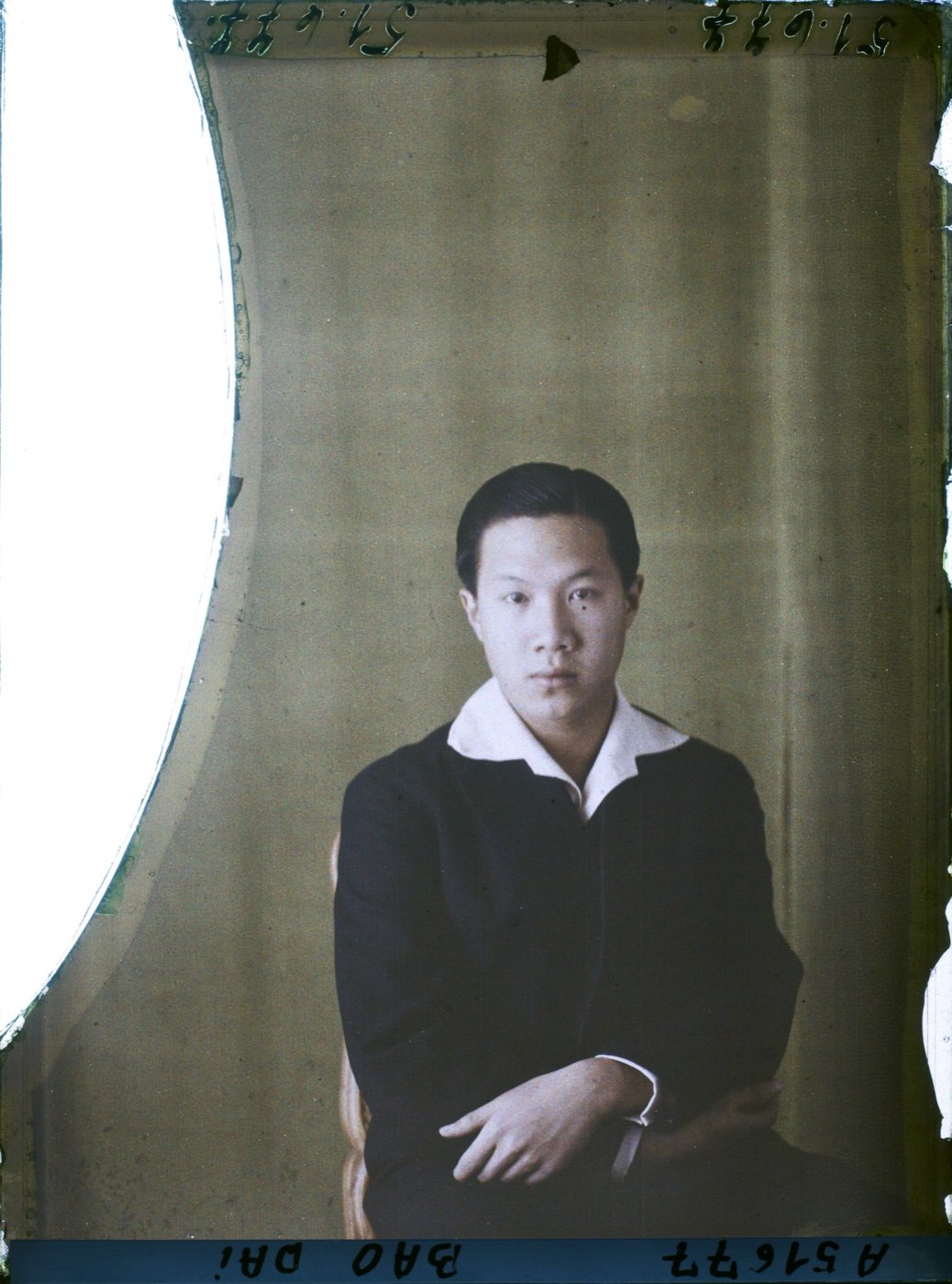
Born into the Nguyễn court in Huế, Nguyễn Phúc Vĩnh Thụy was educated in France and succeeded his father as Bảo Đại in 1926. He returned in 1932 promising administrative reform, but the French colonial system left the monarchy with little independent power.
The Japanese overthrow of French rule and the August Revolution destroyed that arrangement in 1945. Bảo Đại abdicated in Huế, ending the Nguyễn dynasty, and briefly served the new revolutionary government as a supreme adviser before leaving Vietnam.
A chief of state with limited power
France brought Bảo Đại back in 1949 as chief of the State of Vietnam, an anticommunist government given formal independence within the French Union. His position carried dynastic prestige, but military dependence on France and his long absences weakened its legitimacy.
Prime Minister Ngô Đình Diệm organised a 1955 referendum that removed him and founded the Republic of Vietnam. Contemporary U.S. diplomatic reporting described a one-sided campaign and treated the announced 98.2 percent result with scepticism. Bảo Đại then lived in France until his death in 1997.
Quick answers
Frequently asked questions about Bảo Đại
- Who was Bảo Đại?
- Bảo Đại was a last emperor of the Nguyễn dynasty and Chief of State of Vietnam. Bảo Đại occupied the symbolic centre of several Vietnamese political transitions but exercised limited authority under both French colonial constraints and the State of Vietnam arrangement.
- What is Bảo Đại best known for?
- Bảo Đại is best known for abdicating in 1945 and later leading the French-backed State of Vietnam.
- When and where was Bảo Đại born?
- Bảo Đại was born on 22 October 1913 in Huế, French Indochina.
- When did Bảo Đại die?
- Bảo Đại died on 31 July 1997.
Sources and further reading
How this biography was checked
Core dates and offices are checked against the sources below. This profile was last reviewed on 8 September 2026.
- Office of the Historian, U.S. Department of StateLetter from Chief of State Bảo Đại
- Office of the Historian, U.S. Department of StateTransfer of authority to the State of Vietnam
- Office of the Historian, U.S. Department of StateThe 1955 referendum and the end of Bảo Đại’s rule
- Wikimedia CommonsPortrait and CC0 record