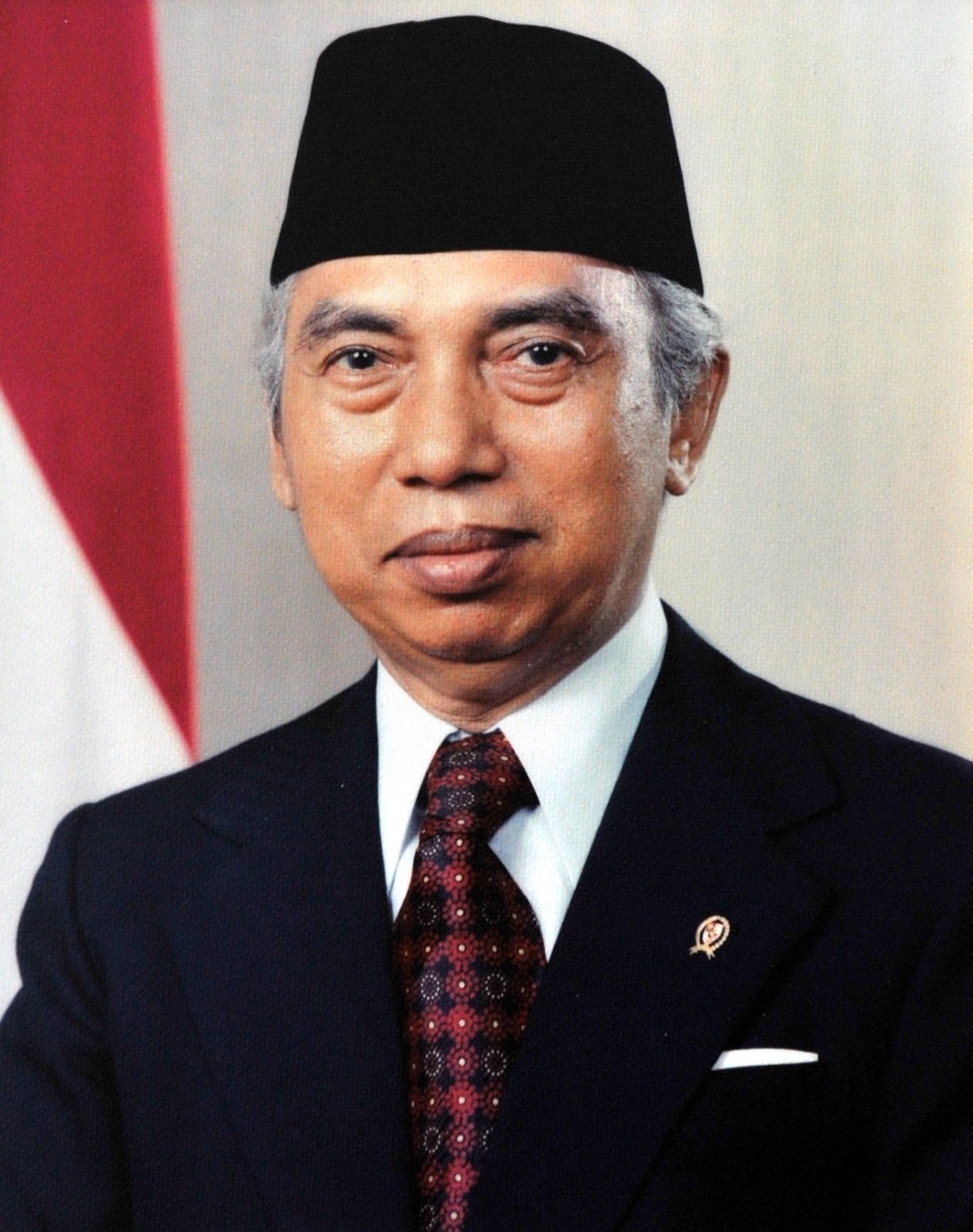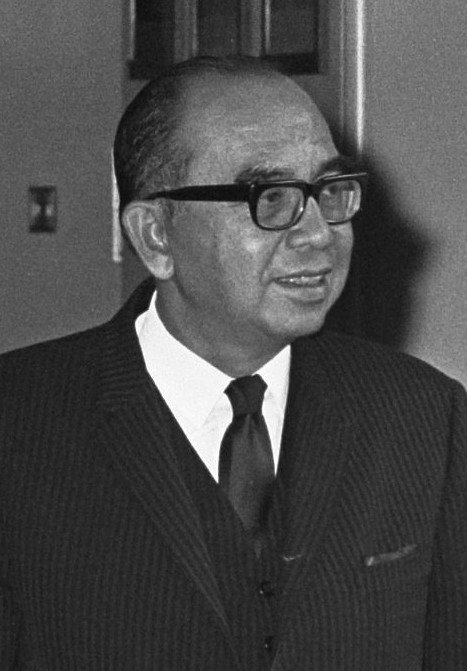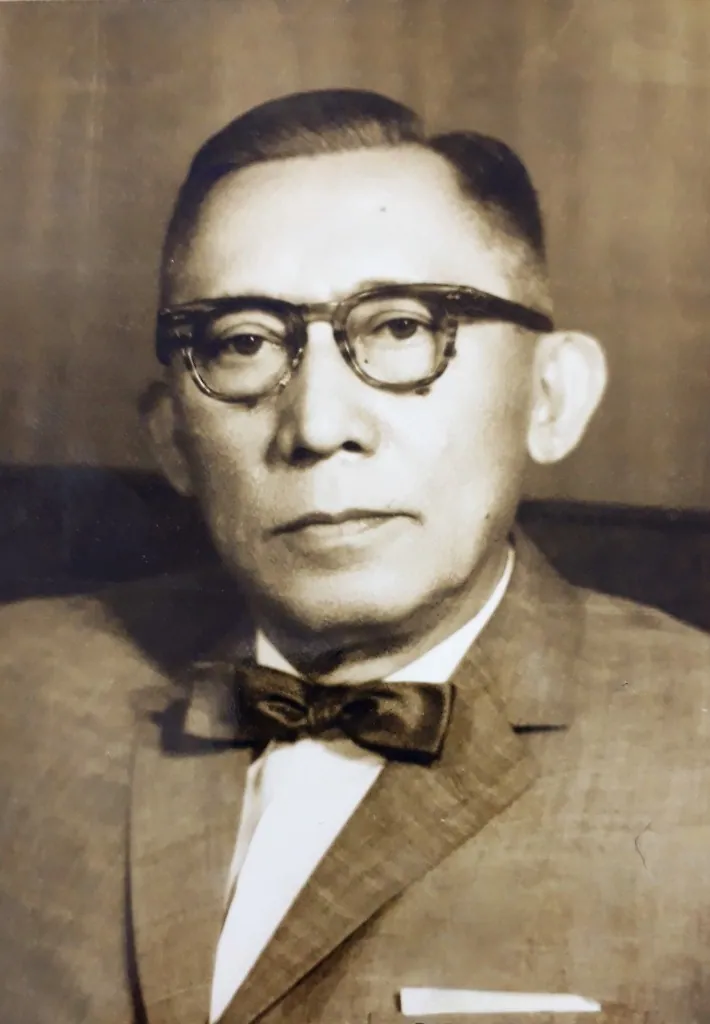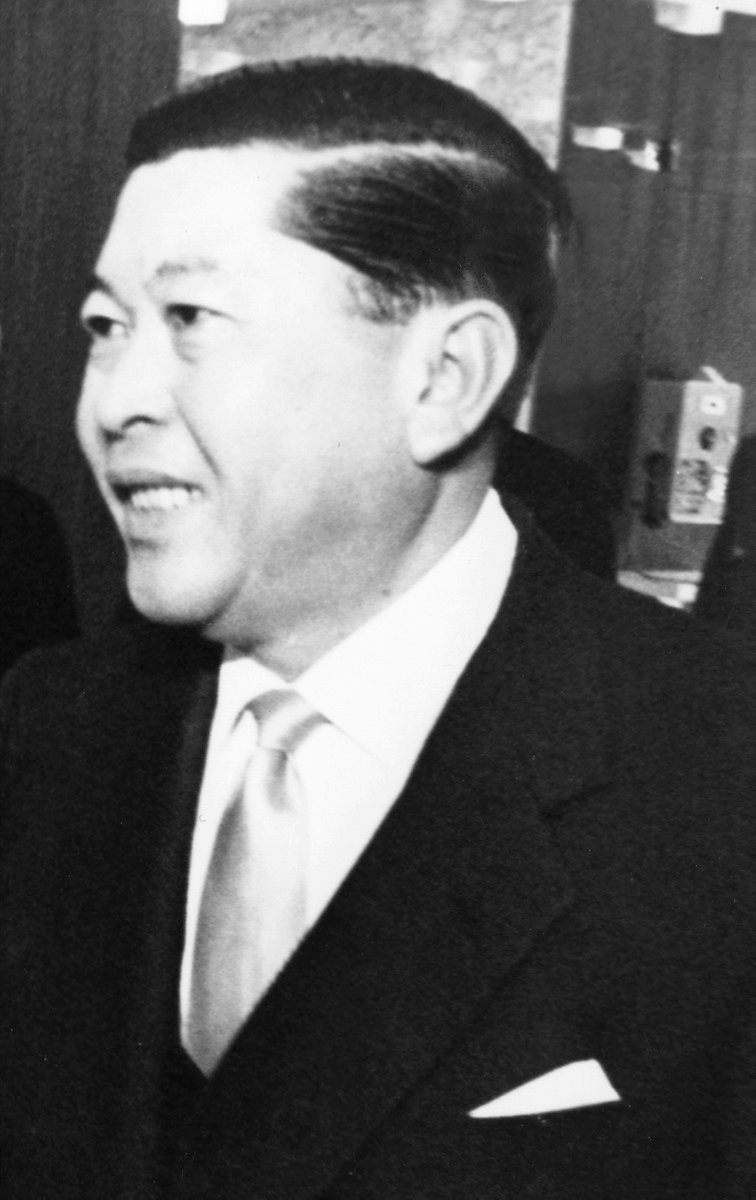
In this biography
Quick facts
- Born
- 9 May 1914
- Died
- 3 March 2016
- Birthplace
- Bangkok, Siam
- Country
- Thailand
- Nationality
- Thai
- Known for
- Helping create ASEAN and signing the Bangkok Declaration in 1967
- Foreign minister
- 10 February 1959 – 17 November 1971
- Earlier regional body
- Association of Southeast Asia, 1961
- Founding document
- ASEAN Declaration, 8 August 1967
- Later office
- Deputy prime minister under Prem Tinsulanonda
Why this life matters
Thanat connected Thailand’s professional diplomacy to a distinctly Southeast Asian regional project, first through ASA and then through the negotiations that established ASEAN.
Timeline
Key moments
Born in Bangkok
Born in Siam’s capital on 9 May.
Joined the foreign ministry
Entered Thailand’s diplomatic service after completing legal and international studies in France.
Became foreign minister
Began a twelve-year tenure that placed regional diplomacy at the centre of Thai foreign policy.
Helped establish ASA
Thailand, Malaya and the Philippines formed the Association of Southeast Asia, an important precursor to ASEAN.
Issued the Rusk–Thanat communiqué
Discussed Thailand’s security with Dean Rusk; their 6 March communiqué reinforced the alliance with the United States.
Signed the Bangkok Declaration
Joined Adam Malik, Tun Abdul Razak, Narciso Ramos and S. Rajaratnam in founding ASEAN on 8 August.
Became deputy prime minister
Returned to cabinet office under Prime Minister Prem Tinsulanonda after leading the Democrat Party.
Died at age 101
Died in Bangkok as the last surviving signatory of the 1967 ASEAN Declaration.
Legal training and a diplomatic career
Thanat Khoman was born in Bangkok on 9 May 1914. He went to France as a teenager, studied in Bordeaux and completed a law doctorate in Paris. A Siam Society obituary describes the letters his father, a Supreme Court justice, sent during those years: they linked education abroad with an obligation to serve people at home.
He entered the foreign service in 1940 and acquired experience in Asian capitals, Washington and the United Nations. Thailand’s foreign ministry dates his ministerial tenure from 10 February 1959 to 17 November 1971. His regional diplomacy developed within that long Cold War career, rather than beginning with a single ceremonial signature in 1967.
The American alliance and the limits of distant protection
The Rusk–Thanat communiqué of 6 March 1962 belongs to Thailand’s security relationship with the United States. It reinforced commitments associated with the 1954 Manila Pact and SEATO. American diplomatic records place the discussions amid disagreements about Laos and the effectiveness of collective security. This was a different institutional track from the later founding of ASEAN.
Thanat’s 1992 retrospective nevertheless expressed misgivings about relying on distant powers. He argued that neighbours needed stronger relationships of their own and described ASEAN’s intended cooperation as non-military. His alliance diplomacy and regionalism therefore should not be collapsed into the claim that ASEAN itself was a new American-backed defence treaty.
ASA, reconciliation and the road to ASEAN
The Association of Southeast Asia, formed in 1961 by Malaya, the Philippines and Thailand, was an earlier experiment, not simply ASEAN under another spelling. Territorial disputes and Indonesia–Malaysia Confrontation exposed how fragile regional cooperation remained. A wider association required relations among previously estranged governments to improve.
In his own account, Thanat approached Adam Malik after the confrontation settlement and proposed a broader organisation. The Thai Foreign Office prepared a draft, and Indonesia, Malaysia, the Philippines and Singapore joined Thailand in the negotiations. The memoir is valuable testimony to his thinking, but it is a participant’s retrospective rather than evidence that one minister alone created ASEAN.
Bang Saen and the Bangkok Declaration
Informal discussions at the coastal resort of Bang Saen allowed five delegations with different political concerns to work through a common text. On 8 August 1967 they returned to Bangkok to sign the ASEAN Declaration. Thanat represented Thailand alongside Adam Malik, Narciso Ramos, Abdul Razak Hussein and S. Rajaratnam.
The declaration set out cooperation in economic development, social progress, culture, education and other shared fields, together with regional peace and stability. Malaysia’s signatory was its deputy prime minister; the other four were foreign ministers. Keeping their respective roles clear also distinguishes the five founders from the later office of ASEAN secretary-general, which Thanat did not hold.
Public service after the foreign ministry
Leaving the foreign ministry did not end Thanat’s political career. He advised later governments, led the Democrat Party and became a deputy prime minister under Prem Tinsulanonda in 1980. He continued to follow regional cooperation, including its wider Asia-Pacific possibilities, rather than treating the Bangkok Declaration as a finished project.
He died on 3 March 2016 at 101. The foreign ministry opened a condolence book in the room bearing his name, while the Siam Society recalled his continuing interest in the ASEAN Community. His durable contribution was helping rival states build a forum they could share, not eliminating their differences or personally directing every subsequent ASEAN decision.
Quick answers
Frequently asked questions about Thanat Khoman
- Who was Thanat Khoman?
- He was a Thai diplomat and politician, foreign minister from 10 February 1959 to 17 November 1971, and one of the five signatories of the ASEAN Declaration on 8 August 1967.
- What did Thanat Khoman do for ASEAN?
- He helped bring regional counterparts together, supported a Thai Foreign Office draft and hosted negotiations at Bang Saen and Bangkok. ASEAN was founded collectively by five states, not by Thanat alone.
- Was the Rusk–Thanat communiqué the founding document of ASEAN?
- No. The 1962 communiqué concerned Thailand’s security relationship with the United States. ASEAN was founded by the separate Bangkok Declaration in 1967 and was not established as a collective-defence alliance.
- Was Thanat Khoman an ASEAN secretary-general?
- No. He signed the founding declaration as Thailand’s foreign minister. His later Thai offices included deputy prime minister under Prem Tinsulanonda; these were not positions heading the ASEAN Secretariat.
Keep exploring
Lives connected to this story
- Adam Malik
Indonesia’s fellow ASEAN founder and a central partner in the regional reconciliation.
- Abdul Razak Hussein
Malaysia’s deputy prime minister and signatory of the Bangkok Declaration.
- Narciso Ramos
The Philippine foreign secretary who signed the same founding declaration.
- S. Rajaratnam
Singapore’s founding foreign minister and his case for a regional community.
Sources and further reading
Explore the evidence
These references support the biography and offer further reading. Official records, first-person accounts and independent reporting provide different perspectives; image records document attribution and licensing.
- 1. ASEAN SecretariatThe Founding of ASEAN
- 2. ASEAN SecretariatASEAN Conception and Evolution by Thanat Khoman
Thanat’s essay is dated 1 September 1992 and reprinted from The ASEAN Reader. Its account of regionalism and great-power assurances is attributed to him, not treated as a neutral verdict on every regional dispute. Indexed text was available when direct retrieval failed.
- 3. Ministry of Foreign Affairs, Kingdom of ThailandNames of Past Foreign Ministers
The ministry’s own roster supplies 10 February 1959–17 November 1971 for the foreign-minister term. Later deputy-premiership dates are not inferred from this separate office.
- 4. Journal of the Siam Society, Vol. 104, pp. 343–346H.E. Dr Thanat Khoman (1914–2016), obituary by Vitthya Vejjajiva
Vitthya Vejjajiva’s 2016 obituary is used for education, the family letters and later interest in ASEAN. Its commemorative judgements and recollected founding-room anecdote are not independent proof of sole authorship of the organisation.
- 5. Department of ASEAN Affairs, Ministry of Foreign Affairs, ThailandThe Birth of ASEAN
- 6. U.S. Department of State, Office of the HistorianBriefing for a meeting with Thanat, 1962
- 7. U.S. Department of State, Office of the HistorianLaos discussions and the 6 March 1962 communiqué, document 339
- 8. Royal Thai Embassy, Washington, D.C.Political Security Cooperation
- 9. International Studies Center, Ministry of Foreign Affairs, ThailandThailand and ASEAN, 1967–1979
The ministry-hosted historical study, p. 478, describes deputy-premier service in 1980–1982, whereas some reference summaries extend it to 1983. The profile states the supported 1980 entry under Prem without inventing a reconciled end date. The relevant passage was checked through indexed text, not a complete reading of the volume.
- 10. Ministry of Foreign Affairs, ThailandCondolences on the passing of Thanat Khoman, 8 March 2016
- 11. Wikimedia CommonsThanat Khoman at IAEA headquarters, 1964 — licence record