
In this biography
Quick facts
- Born
- 23 March 1876
- Died
- 23 July 1964
- Birthplace
- Shwedaung, Pyay District, British Burma
- Country
- Myanmar
- Nationality
- Burmese
- Known for
- Turning classical literary forms into anticolonial satire and becoming an elder of the nationalist movement
- Born
- 23 March 1876
- Nationalist role
- Patron of Dobama Asiayone · 1934
- Peace honour
- Stalin Peace Prize · 1954
- Honorary doctorate
- University of Hamburg · 1960
Why this life matters
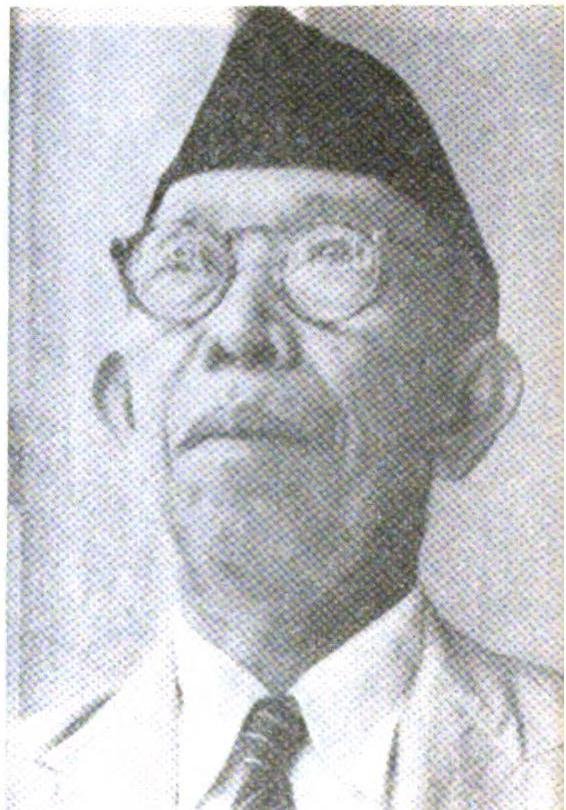
Thakin Kodaw Hmaing joined literary authority to mass politics, giving younger activists a cultural language for independence and peace.
Timeline
Key moments
Born near Pyay
Born as Maung Lun during the final decade of the Burmese monarchy.
Built a literary career
Worked in theatre, journalism, verse and historical writing.
Became a Dobama patron
Acted as an elder to the radical nationalist organisation.
Nationalist writing was recognised
His work remained influential as wartime politics transformed the movement.
Received an international peace prize
Peace activism became central to his later public role.
Died in Rangoon
Died on 23 July, two years after the military coup.
Classical language used against colonial power
Born Maung Lun, the writer worked across theatre, newspapers, poetry and historical compilation. He became famous for using traditional verse forms, allusion and satire to criticise colonial society and its local collaborators.
His many pen names and the honorific Kodaw Hmaing reflected a career that moved between popular performance and learned literature. The result was not simply propaganda: it made political criticism legible inside established Burmese cultural forms.
Elder of nationalism and peace activism
Younger members of Dobama Asiayone adopted him as a patron in 1934. His authority connected the Thakin generation—including Aung San—with earlier anticolonial cultural work.
After independence he campaigned for peace during civil war and Cold War division, travelling abroad and receiving international honours. His legacy survives at the meeting point of literary modernity, nationalist mobilisation and dissent from militarised politics.
Quick answers
Frequently asked questions about Thakin Kodaw Hmaing
- Who was Thakin Kodaw Hmaing?
- Thakin Kodaw Hmaing was a poet, dramatist, journalist and nationalist. Thakin Kodaw Hmaing joined literary authority to mass politics, giving younger activists a cultural language for independence and peace.
- What is Thakin Kodaw Hmaing best known for?
- Thakin Kodaw Hmaing is best known for turning classical literary forms into anticolonial satire and becoming an elder of the nationalist movement.
- When and where was Thakin Kodaw Hmaing born?
- Thakin Kodaw Hmaing was born on 23 March 1876 in Shwedaung, Pyay District, British Burma.
- When did Thakin Kodaw Hmaing die?
- Thakin Kodaw Hmaing died on 23 July 1964.
Sources and further reading
How this biography was checked
Core dates and offices are checked against the sources below. This profile was last reviewed on 9 September 2026.