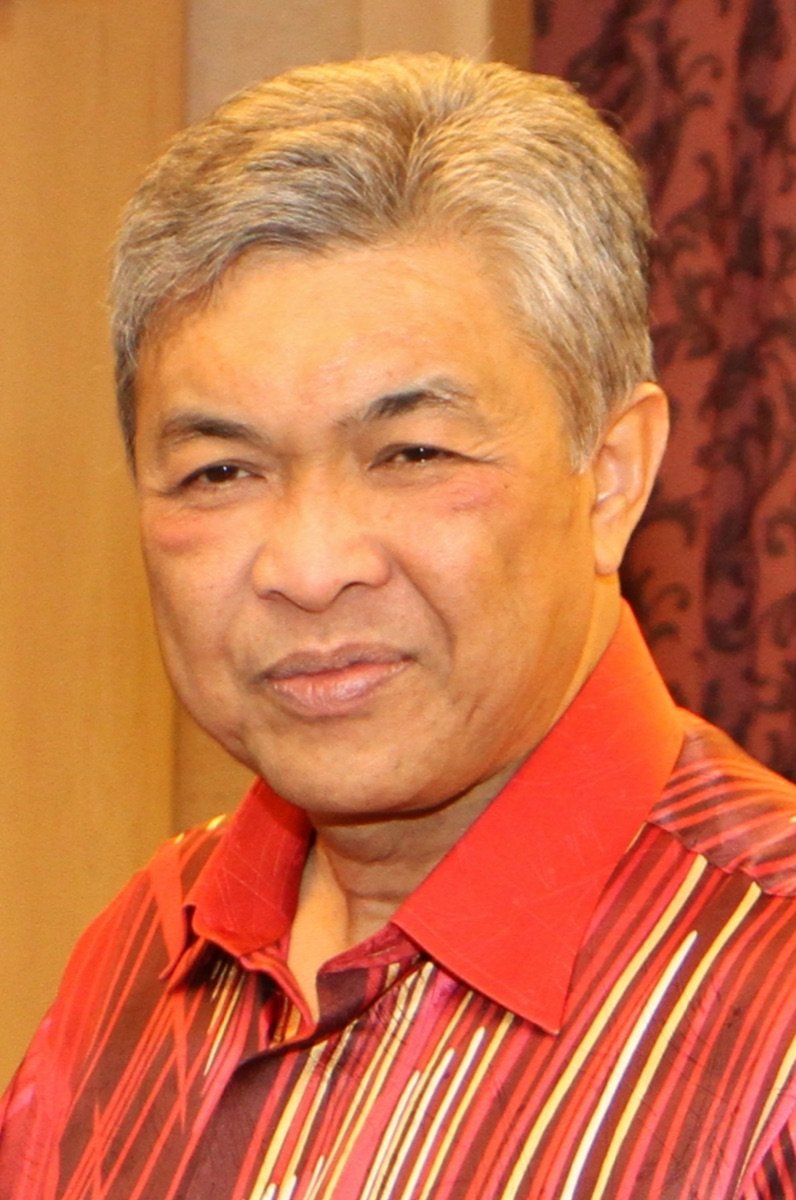
In this biography
Quick facts
- Born
- 18 February 1925
- Died
- 23 April 2006
- Birthplace
- Kuala Pilah, Negeri Sembilan
- Country
- Malaysia
- Nationality
- Malaysian
- Known for
- Grassroots politics, rural development and seven years as deputy prime minister
- Full name
- Abdul Ghafar bin Baba
- Office
- Deputy Prime Minister, 1986–1993
- State office
- Chief Minister of Melaka, 1959–1967
- Early profession
- Teacher
Why this life matters
Ghafar’s path from village schoolteacher to deputy prime minister embodied UMNO’s postwar grassroots organisation and the expansion of rural development institutions.
Timeline
Key moments
Born in Kuala Pilah
Born on 18 February and later trained as a teacher at Sultan Idris Training College.
Began organising and teaching
Worked as a teacher and became active in Malay nationalist and community organisations.
Joined UMNO
Entered the party that would anchor his long electoral and organisational career.
Became chief minister of Melaka
Led the state government for eight years during the early independence period.
Chaired MARA
Helped direct an agency central to Bumiputera education, enterprise and training.
Became rural development minister
Took charge of a portfolio closely aligned with his grassroots political base.
Became deputy prime minister
Was appointed to the office on 9 May under Mahathir Mohamad.
Left the deputy premiership
Resigned after losing the UMNO deputy presidency to Anwar Ibrahim.
A teacher in grassroots politics
Ghafar Baba was born in Kuala Pilah in 1925 and trained at Sultan Idris Training College. He worked as a teacher before making politics his full-time vocation, bringing an educator’s experience and a strong local network into public life.
His political activity began before independence and continued through UMNO after 1951. He became known for direct contact with branch members and rural communities rather than for an elite professional background.
Melaka and rural development
Ghafar became chief minister of Melaka in 1959 and served until 1967. The period placed him in charge of state-building during the federation’s first decade, when land, infrastructure and basic services shaped much of public administration.
He later became the first chairman of MARA and served as federal minister of rural development. Those responsibilities connected education, entrepreneurship and public investment to his enduring identity as a grassroots organiser.
Seven years as deputy prime minister
Mahathir Mohamad appointed Ghafar deputy prime minister in May 1986 after Musa Hitam’s resignation. Ghafar brought long party experience and a broad rural base to a government entering a period of economic and political change.
His tenure lasted until 1993. When Anwar Ibrahim challenged for and won the UMNO deputy presidency, Ghafar stepped down from the deputy premiership, closing one of the longest national careers of the independence generation.
An unusually long public career
Ghafar spent decades in elected office and party organisation, serving in Parliament, state government and the federal cabinet. His career showed how influence could be built through local branches and institutional continuity over many election cycles.
He died in Kuala Lumpur on 23 April 2006. A memorial gallery in Melaka preserves records of his life, linking his national role to the state where he first led a government.
Quick answers
Frequently asked questions about Ghafar Baba
- Who was Ghafar Baba?
- Ghafar Baba was a sixth Deputy Prime Minister of Malaysia. Ghafar’s path from village schoolteacher to deputy prime minister embodied UMNO’s postwar grassroots organisation and the expansion of rural development institutions.
- What is Ghafar Baba best known for?
- Ghafar Baba is best known for grassroots politics, rural development and seven years as deputy prime minister.
- When and where was Ghafar Baba born?
- Ghafar Baba was born on 18 February 1925 in Kuala Pilah, Negeri Sembilan.
- When did Ghafar Baba die?
- Ghafar Baba died on 23 April 2006.
Sources and further reading
How this biography was checked
Core dates and offices are checked against the sources below. This profile was last reviewed on 31 August 2026.