In this biography
Quick facts
- Born
- January 1929
- Died
- 3 February 2024
- Birthplace
- Kinmen (Quemoy)
- Country
- Singapore
- Nationality
- Not independently established
- Known for
- UOB expansion and Chinese community institutions
- Principal institution
- United Overseas Bank
- Managing director
- From 1 July 1960
- Chair succession
- 1974
- Retired as chairman
- 2013
Why this life matters
His career connects family succession, banking consolidation and community leadership, with corporate growth distinguished from personal wealth.
Timeline
Key moments
Joined the bank board
Became a director of United Chinese Bank.
Managing director
Succeeded his father in executive management from 1 July.
Chairman
Succeeded Wee Kheng Chiang as chairman.
OUB combination
The offer, full ownership and legal merger occurred at different stages.
Death
Died on 3 February.
An early life across trading communities
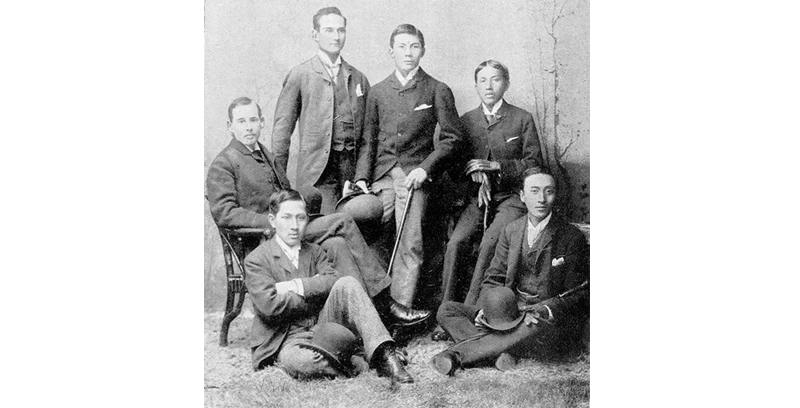
Wee Cho Yaw’s early experience crossed Kinmen, Sarawak and Singapore. The National Library account describes a childhood disrupted by war and a move into the trading networks associated with his father, Wee Kheng Chiang. He later worked at the family’s Kheng Leong business, learning about commodities and commercial relationships before entering banking. The birth record needs care: the Library gives 1930, while the UK corporate register records January 1929. This profile follows the registrar at month precision and preserves the disagreement rather than manufacturing a single exact date.
Executive succession preceded the chairmanship
Wee joined the United Chinese Bank board in 1958. The Library dates his appointment as managing director to 1 July 1960, when his father stepped back from that executive position. His father remained chairman until 1974. These were separate changes of responsibility, fourteen years apart. The distinction matters because an account saying simply that Wee “took over” in one year obscures the relationship between daily management and board leadership. Banking experience also included an attachment to Midland Bank in London, according to the Library’s selected account.
A Singapore bank acquired a regional reach
United Chinese Bank became United Overseas Bank in 1965 and opened its first overseas branch in Hong Kong. Under Wee’s leadership the institution grew through branch development and acquisitions, including a majority interest in Chung Khiaw Bank in 1971. These developments connected the bank with wider trade and customer networks. They also involved acquired institutions, managers and staff whose work cannot be assigned to one chairman alone. UOB’s later memorial presents the expansion as a major achievement; it is an institutional tribute rather than a separate audit of every acquisition’s consequences.
The OUB transaction was a sequence
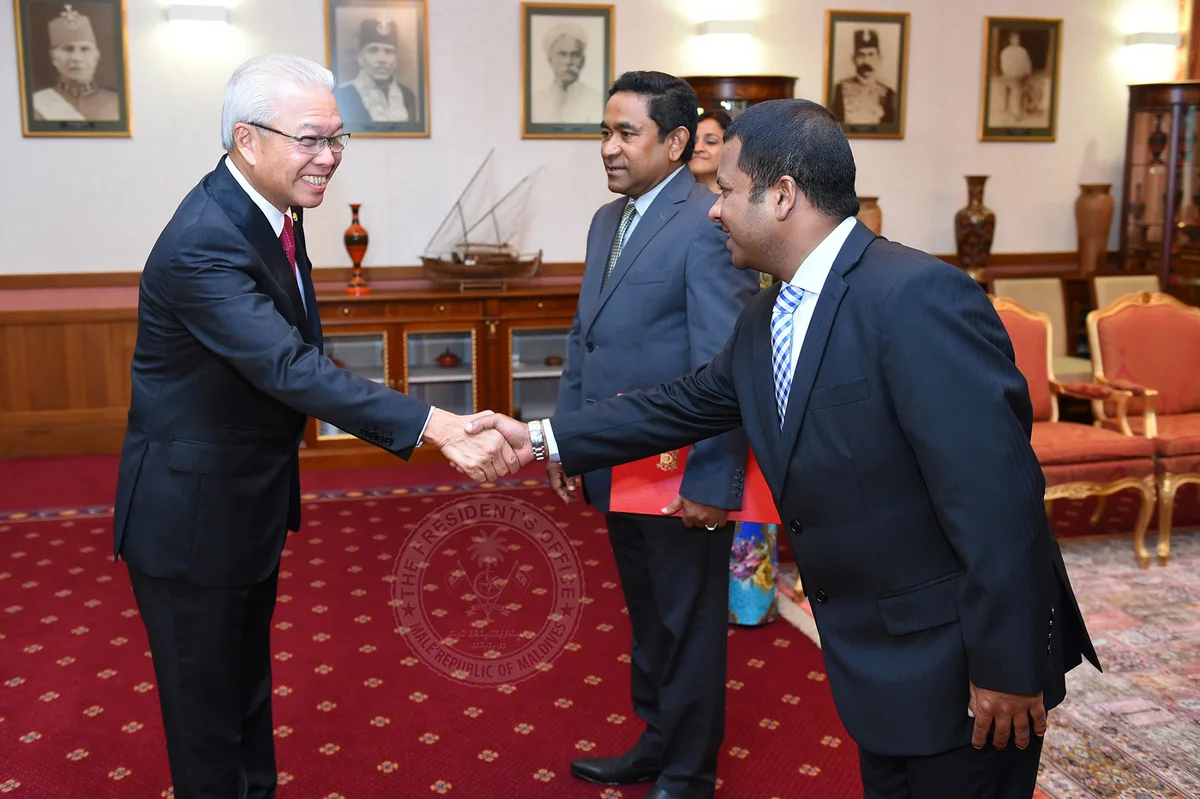
The 2001 chairman’s statement records the friendly offer announced on 29 June, Overseas Union Bank becoming wholly owned on 26 October, and the legal merger taking effect on 2 January 2002. Wee signed that statement as chairman and chief executive. Lien Ying Chow had founded OUB, but UOB’s memorial photograph identifies Lee Hee Seng as the former OUB chairman at the acquisition announcement. Keeping those people and dates separate makes the business history more accurate than describing a single meeting between two founders as the entire merger.
Education and community work formed another career
Wee’s public activity extended beyond corporate boards. UOB records his leadership of the Singapore Hokkien Huay Kuan from 1972 to 2010 and his founding presidency of the Singapore Federation of Chinese Clan Associations from 1985 to 2010. The Library also describes his involvement with Nanyang University and the National University of Singapore. These organisations had their own members, educators and purposes. His role was to support and lead institutions, not to author their entire educational work. The bank’s scholarship commemoration documents a commitment, not a measured account of every recipient’s later outcome.
A long institutional legacy with defined limits
Wee retired as UOB chairman in 2013 and died on 3 February 2024. The bank’s remembrance places him at the centre of its development while also showing a relationship with his father and successive colleagues. A careful assessment follows both the continuity of family leadership and changes in corporate structure. Bank assets describe an institution’s balance sheet, not the chairman’s personal fortune. His significance rests on the bank and community organisations he helped shape, while questions about customer experience, competition or educational impact require records beyond a memorial and a corporate chronology.
Quick answers
Frequently asked questions about Wee Cho Yaw
- When was Wee Cho Yaw born?
- The UK company register gives January 1929; the NLB entry gives 1930. This profile uses month precision from the registrar and records the conflict.
- Did OUB legally merge in June 2001?
- The offer was announced in June 2001. UOB’s annual report dates the legal merger to 2 January 2002.
Keep exploring
Lives connected to this story
- Wee Kheng Chiang
Compare founding and executive succession across two generations.
- Lien Ying Chow
Trace OUB’s separate origin before its combination with UOB.
- Piyush Gupta
Compare another banking executive’s institutional career.
Sources and further reading
Explore the evidence
These references support the biography and offer further reading. Official records, first-person accounts and independent reporting provide different perspectives; image records document attribution and licensing.
- 1. Alvin Chua / National Library BoardWee Cho Yaw, Singapore Infopedia
Selected publisher-indexed body read: birth 1930 claim, early family/work, 1958 director, 1 July 1960 managing director, 1965 rename and education/community offices. Direct response 202 contained 0 bytes, not an article. No biographies or newspapers in its bibliography read.
- 2. UK Companies HouseUnited Overseas Bank Limited: former officers, page 2
Only WEE, ChoYaw officer entry read in actual registrar HTML: date of birthJanuary 1929, nationalitySingaporean and former appointment/resignation fields. No birth certificate or full company filing history read. Personal address not reproduced.
- 3. United Overseas BankOur Corporate Milestones, Annual Report 2023
Selected 1935–2001 chronology read: incorporation 6 August/opening 1 October 1935, 1965 rename, 1971 ChungKhiaw acquisition, 1974 chair succession and 2001 OUB acquisition. No whole annual report or independent ranking audit.
- 4. United Overseas BankAnnual Report 2001: Chairman’s Statement, printed 4
Actual 21-page issuer PDF part acquired; PDFp 4/printed 4 text read completely and the whole saved page rendering visually checked: 29 June 2001 offer, 26 October whollyowned subsidiary, 2 January 2002 legal merger and cash/share offer terms. No complete annual financial statements, offer circular or deposit contracts read.
- 5. United Overseas BankRemembering Dr Wee Cho Yaw
Complete short memorial body and historical captions read in original HTML: death, retirement as chair 2013, community roles and named people in 2001 acquisition photograph. Corporate tribute is not independent impact evaluation.