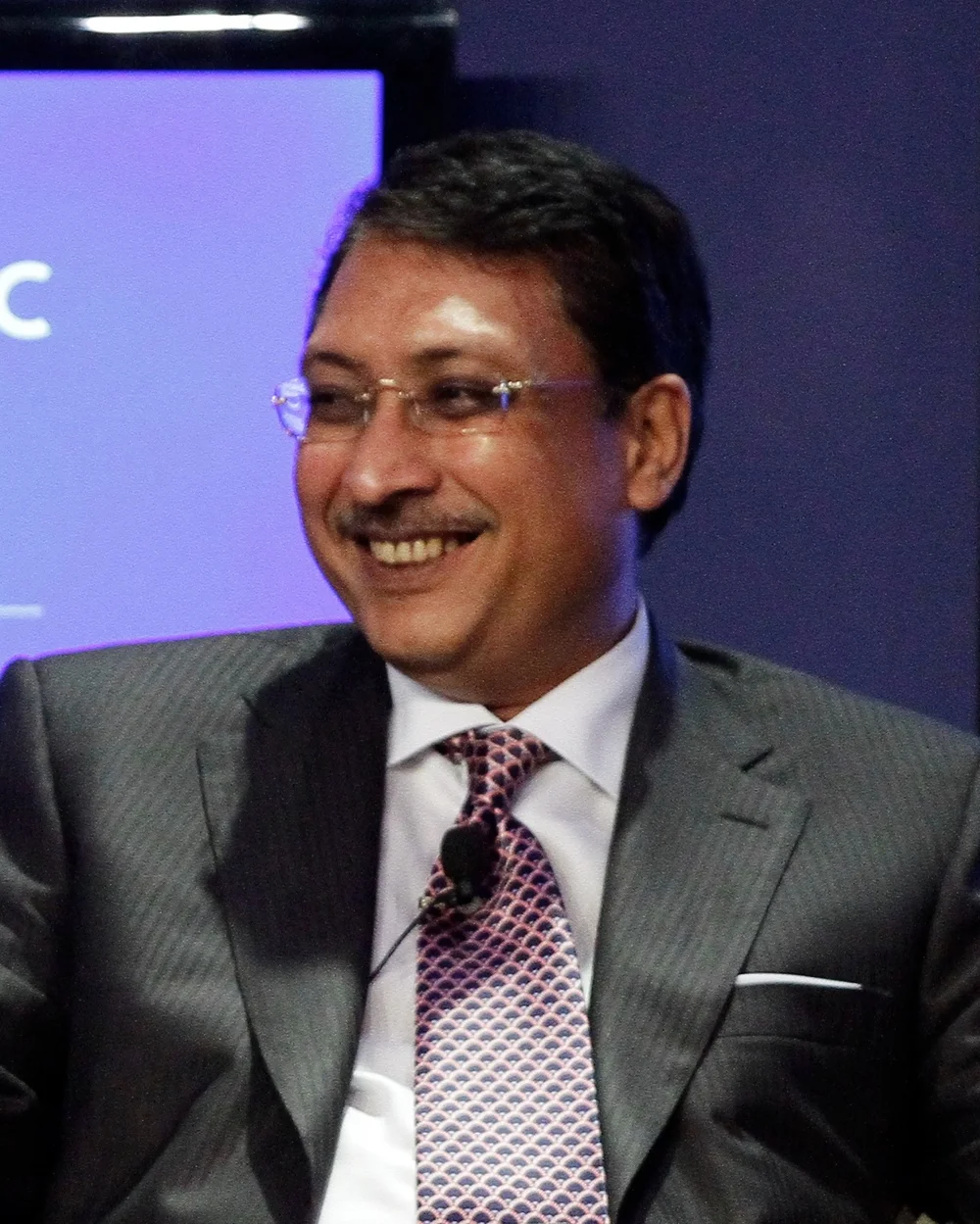
In this biography
Quick facts
- Born
- c. 1957; exact date not confirmed
- Birthplace
- Chonburi province, Thailand
- Country
- Thailand
- Nationality
- Not independently established
- Known for
- Pruksa housing, industrial construction methods and the 2016 holding-company reorganisation
- Earned degree
- B.Sc. Civil Engineering, Chulalongkorn University
- Pruksa founded
- 20 April 1993, according to company history
- Public listing
- Pruksa Real Estate listed in December 2005
- Holding-company listing
- Pruksa Holding replaced the listing on 1 December 2016
Why this life matters
His career shows how building methods and the timing of construction, payments and corporate ownership became connected business decisions.
Timeline
Key moments
Contracting experience
His account dates the establishment of Siam Engineering to 1985.
Pruksa established
The company chronology dates its establishment to 20 April.
Financial crisis
Construction and customer commitments continued amid the failure of lenders.
Precast investment
He describes developing a factory and obtaining machinery and training from German suppliers.
Stock-market listing
Pruksa Real Estate became a listed public company.
A new parent company
A one-for-one exchange placed participating shareholders in Pruksa Holding.
Engineering followed an interrupted education
Thongma Vijitpongpun’s early life included work and a difficult route back into formal education. The ACES award profile describes growing up in Chonburi, leaving primary school to help his family and later combining employment with evening study. In a 2016 interview he credited work and scholarships with enabling further education. Pruksa’s board records confirm his earned B.Sc. in Civil Engineering from Chulalongkorn University. Later honorary doctorates recognise his achievements but are different credentials. The 2016 annual report gives his age as 59; the approximate birth year used here is not a verified birthday. The important documented transition is from practical work into professional engineering.
A contractor learned to organise people and payment
In his Business DNA interview, Thongma dates the founding of Siam Engineering to 1985. The firm undertook subcontracting and construction work, including bridges, factory projects and The Old Siam Plaza. He recalled guidance from a Taiwanese employer about paying workers on time and caring for them when ill. The account is a participant’s retrospective explanation of his management, rather than a contemporary payroll audit. It does establish that his housing business followed years of organising construction sites and employees. By 1992 he was building smaller residential projects. Pruksa’s institutional history dates the establishment of Pruksa Real Estate to 20 April 1993.
Construction time was also a financing problem
The early Pruksa business sold relatively inexpensive townhouses. Thongma described facing a mismatch between the funds available and the time needed to build. Tunnel-form concrete construction offered a way to shorten the cycle. His account identifies Thai suppliers, French equipment designers and an instructor sent to train the local team. Adopting the system required adapting formwork to the particular housing project, rather than simply purchasing an invention. Faster completion could make customer handovers and payments arrive sooner. That connection between production and cash explains the choice more concretely than a general claim that engineering automatically makes housing affordable. Land cost, household purchasing power and finance also mattered.
Sources for this section: [5]
The 1997 crisis exposed obligations to customers
The Asian financial crisis disrupted the financial firms from which Pruksa had borrowed. Thongma recalled loans moving into the public resolution system while customers who had paid deposits faced changed circumstances. Some wanted homes and others wanted refunds. His response involved negotiating with the authorities and dividing construction into phases that could be completed and transferred. The recollection describes a constrained process, not an effortless expansion through crisis. It also explains why customer deposits, financing and physical completion cannot be treated as identical measures of sales. A developer had commitments to households as well as creditors, and an unfinished housing estate could tie up both their money and its own.
Sources for this section: [5]
Factory production required another round of learning
When moving further into detached houses, Thongma questioned whether the existing tunnel-form approach would meet the desired standard. He sent staff to examine precast technology in Germany and then invested in a factory producing wall and floor panels. He dates the factory development to 2003; the award account places the EBAWE-supported production step in 2004. Machinery suppliers trained employees, making this a transfer of production knowledge as well as equipment. Pruksa subsequently built a wider housing portfolio and listed in 2005. Its 2016 annual report distinguishes townhouses, detached houses and condominiums, with different customers, locations and construction requirements. A single production technique did not define every project.
A holding company changed the ownership chain
In 2016 Pruksa created a listed parent company. The SEC filing describes an offer to exchange each class of Pruksa Real Estate security for newly issued securities of the same class in Pruksa Holding at one for one. After completion, participating investors held shares in the parent; the operating property business continued as a subsidiary, reported at roughly 98 percent ownership. Thongma served as executive vice chairman and group chief executive in that dated structure, alongside independent chairman Pisit Leeahtam and other executives. The design created a place for future investments beyond property. It did not immediately transform the group’s housing income into recurring income from new sectors.
Education remained part of his public work
Thongma told The Nation in 2016 that education had widened his opportunities and motivated scholarship support. Pruksa’s programme began after its recovery from the crisis, and he also discussed a personal educational fund. Such commitments are best understood as dated programmes rather than a promise that a particular number of awards continues unchanged today. His career links engineering, finance and institution building: a construction method needed trained workers; housing delivery needed cash; and a listed group needed governance beyond the founder. The documentary record is strongest where it shows those connections in actual projects and formal corporate arrangements.
Quick answers
Frequently asked questions about Thongma Vijitpongpun
- Who is Thongma Vijitpongpun?
- Thongma Vijitpongpun is a civil engineer and Pruksa founder. His career shows how building methods and the timing of construction, payments and corporate ownership became connected business decisions.
- What is Thongma Vijitpongpun best known for?
- Thongma Vijitpongpun is best known for pruksa housing, industrial construction methods and the 2016 holding-company reorganisation.
- When was Thongma Vijitpongpun born?
- Approximate year inferred from age 59 in the 2016 annual report. Exact date not independently confirmed.
Keep exploring
Lives connected to this story
- Isara Vongkusolkit
Compare the organisation of production learning in a different Thai industrial business.
- Prateep Tangmatitham
Compare housing development led by an architect with a documented earlier professional career.
Sources and further reading
Explore the evidence
These references support the biography and offer further reading. Official records, first-person accounts and independent reporting provide different perspectives; image records document attribution and licensing.
- 1. Pruksa Holding Public Company LimitedAnnual Report 2016, corporate structure, operations and director profiles
Age 59 in the 2016 annual report supports only an approximate 1957 birth year. Exact date is unconfirmed. Use the current board page to identify the later doctorates as honorary, rather than interpreting inconsistent older English labels as earned Ph.D.s.
- 2. Pruksa Real Estate; Thai Securities and Exchange Commission filingManagement discussion and analysis, third quarter 2016, page 7
- 3. Pruksa HoldingCorporate information: Pruksa history and milestones
- 4. Pruksa HoldingMr. Thongma Vijitpongpun: board profile
- 5. A. Stotz Investment Research / Become a Better InvestorBusiness DNA: Thongma Vijitpongpun, interview with Andrew Stotz, 2019
- 6. The NationPruksa chief invests in education to empower the next generation, 16 August 2016
- 7. Asia Corporate Excellence & Sustainability AwardsThongma Vijitpongpun: Entrepreneur of the Year, 2019
Award profile is promotional and retrospective. Its 1994 company date conflicts with the corporation’s exact 20 April 1993 date; the corporate date is used.