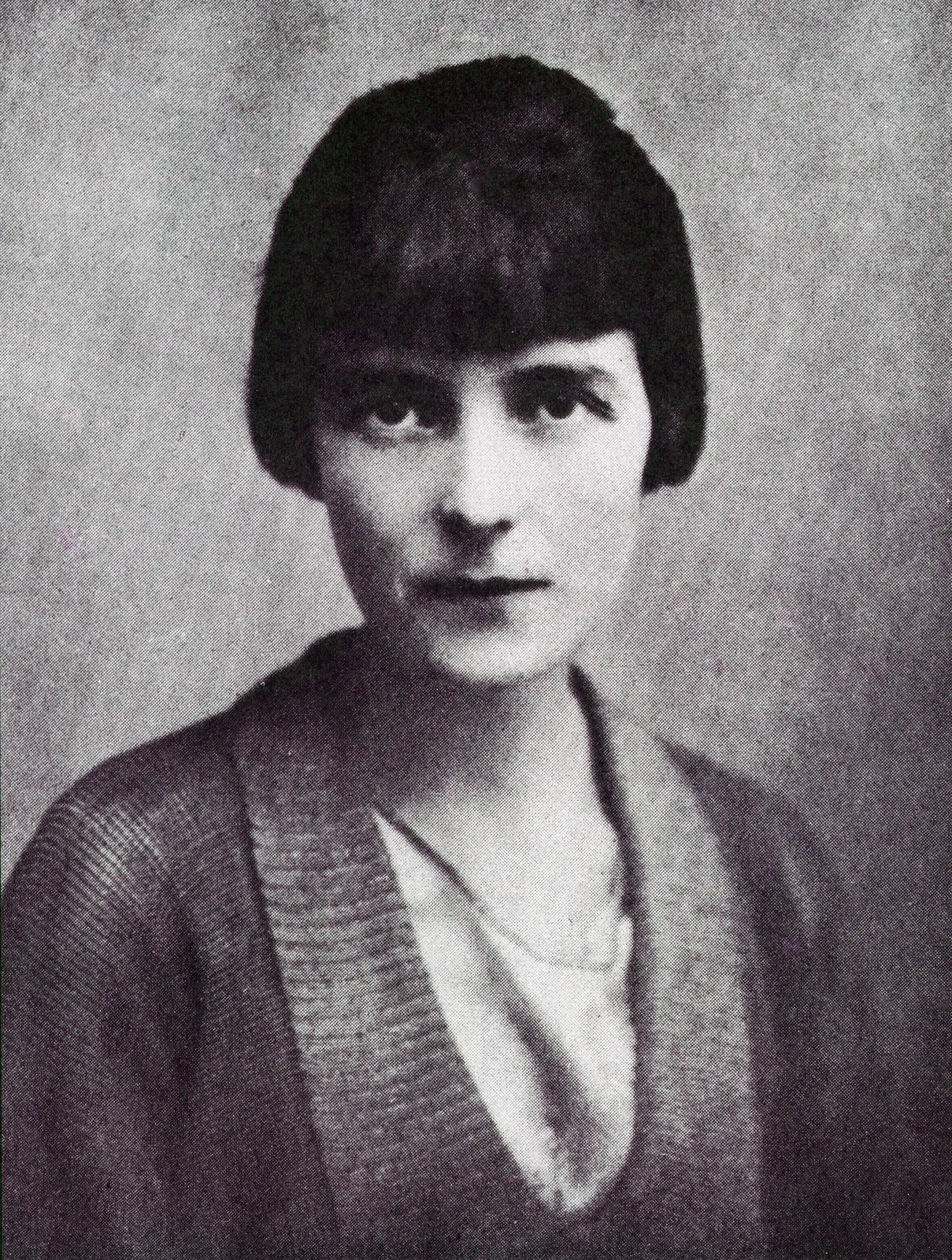
In this biography
Quick facts
- Born
- 1931
- Died
- 2011
- Birthplace
- Gaepung County, Korea
- Country
- South Korea
- Nationality
- Not independently established
- Known for
- The Naked Tree, Mother’s Stake and Who Ate Up All the Shinga?, and fiction about war, families and women’s lives
- University study
- Entered Seoul National University in 1950; war interrupted her studies
- Literary debut
- The Naked Tree, 1970; Women’s Dong-a fiction competition
- Autobiographical novel
- Who Ate Up All the Shinga?, Korean publication 1992
- English translation
- Who Ate Up All the Shinga?, Yu Young-nan and Stephen J. Epstein, 2009
Why this life matters
She made domestic experience a means of investigating national history, social change and the claims that families and institutions make on women.
Timeline
Key moments
Born near Kaesong
Born in Gaepung County, now in North Korea.
Study interrupted by war
Enters Seoul National University; the Korean War prevents completion.
The Naked Tree
Wins the Women’s Dong-a novel competition and begins her published career.
Women and domestic power
Develops fiction about women’s work, marriage and patriarchal expectations.
Autobiographical fiction
Who Ate Up All the Shinga? and Was That Mountain Really There? return to childhood and wartime experience.
English Shinga edition
Columbia publishes the translation by Yu Young-nan and Stephen J. Epstein.
Death
Dies in 2011; collected and translated editions continue her work’s circulation.
An education interrupted by history
Park Wan-suh was born in 1931 in Gaepung County, near Kaesong, in what is now North Korea. She moved to Seoul during childhood and entered Seoul National University to study Korean literature in 1950. The Korean War interrupted that education almost immediately. The loss and displacement of wartime life later became material she returned to across different kinds of writing.
Her literary career began after a long interval of family responsibilities. When The Naked Tree won the Women’s Dong-a fiction competition in 1970, she was raising five children. The late start was a change in the conditions under which she worked, rather than evidence that the experiences preceding publication lay outside her development as a writer.
Sources for this section: [1]
A first novel shaped by wartime encounters
The Naked Tree established a continuing concern with survival and perception during the Korean War. LTI Korea’s English-edition record describes a coming-of-age story in which encounters between Koreans and American soldiers expose misunderstandings, racial prejudice and cultural distance. War appears through work and relationships as well as destruction.
The novel’s English translation was made by Yu Young-nan and published through Cornell’s East Asia Program. Translation and republication belong to a different chronology from the 1970 Korean debut. The later English title’s presence in catalogues should therefore not be mistaken for the date at which Park first entered literary life. Its circulation also depended on a translator and publishing programme willing to introduce the work to another audience.
Households as sites of social change
Park’s fiction investigated the desire for prosperity in a rapidly industrialising society. LTI Korea identifies Identical Apartments and A Reeling Afternoon among works addressing middle-class imitation, materialism and marriage. The household provides a close view of social pressure: possessions, schooling and relationships become means of measuring status.
This scale allows large changes to appear as ordinary decisions. An apartment can be shelter and an aspiration; marriage can carry economic calculation as well as affection. Park’s attention to these tensions makes domestic life consequential. Her characters need not stand outside society to expose its values, because their own hopes and compromises reveal how those values are reproduced.
Sources for this section: [1]
Women’s choices and claims of family
From the 1980s Park increasingly examined women’s lives within patriarchal expectations. Works such as The Woman Standing and Are You Still Dreaming? ask what happens when a woman’s needs collide with a family’s demand for an acceptable role or a male heir. LTI’s account places these concerns alongside her continuing scrutiny of middle-class life.
The later interview hosted by Korean Literature Now presents a writer interested in readers of different generations recognising themselves in her characters. She described books as testimonies that might re-emerge for a reader long after publication. That account helps explain her investment in specific experience, while remaining her own explanation of why and how she wrote.
Reconstructing childhood in autobiographical fiction
Who Ate Up All the Shinga?, published in Korean in 1992, revisits childhood under Japanese colonial rule and the approach of war. Columbia University Press labels it an autobiographical novel. That description matters: the book draws on remembered life but presents a shaped narrative, with characters, emphases and a retrospective point of view.
The publisher highlights the mother as a resourceful widow negotiating education and social expectations. Through that relationship, national history enters a child’s understanding of home, language and ambition. Yu Young-nan and Stephen J. Epstein translated the book for the 2009 English edition. Their shared credit records the collaboration through which its particular memories became available to English-language readers.
Sources for this section: [5]
A varied career and a continuing archive
Park’s writing extended beyond one wartime narrative. Novels, short stories, essays and children’s books enabled her to address different ages and experiences. In the interview preserved by LTI Korea, she discussed the 2009 children’s books Three Wishes and Thank You for This World. Returning to younger readers did not mean leaving behind questions about loss, memory and care.
She died in 2011. Seoul National University Library’s Park Wansuh collection brings Korean editions and translations into the same catalogue, making visible a career distributed across books, languages and decades. Her significance lies in this sustained examination of how historical upheaval and social ambition enter personal life, carried by narrative voices capable of sympathy, irony and discomfort.
Quick answers
Frequently asked questions about Park Wan-suh
- Who was Park Wan-suh?
- Park Wan-suh was a novelist and short-story writer. She made domestic experience a means of investigating national history, social change and the claims that families and institutions make on women.
- What is Park Wan-suh best known for?
- Park Wan-suh is best known for the Naked Tree, Mother’s Stake and Who Ate Up All the Shinga?, and fiction about war, families and women’s lives.
- When and where was Park Wan-suh born?
- Park Wan-suh was born in 1931 in Gaepung County, Korea.
- When did Park Wan-suh die?
- Park Wan-suh died in 2011.
Keep exploring
Lives connected to this story
- Han Kang
Follow a later generation’s different literary approaches to violence, language and memory.
- Natsume Sōseki
Compare fiction about private relationships and social change in a different country and period.
- Hwang Sok-yong
Explore another writer’s handling of divided Korean history, labour and memory.
- Hwang Sun-won
Read another writer whose working life crossed division, war and displacement.
Sources and further reading
Explore the evidence
These references support the biography and offer further reading. Official records, first-person accounts and independent reporting provide different perspectives; image records document attribution and licensing.
- 1. Literature Translation Institute of KoreaPark Wansuh: biography, writing and bibliography
English and Korean accounts contain different compressed descriptions of family separation during the war. The manuscript avoids a precise forced-march itinerary and does not conflate the fictional family with biographical relatives. Year-only life dates are verified; day/month are intentionally withheld.
- 2. Literature Translation Institute of KoreaThe Naked Tree: English translation catalogue record
LTI record labels the English book 1996; SNU catalogue has copyright 1995 and commercial catalogues may describe later reissues. Exact first English publication year is not asserted.
- 3. Seoul National University LibraryPark Wansuh Study: collection catalogue
- 4. Shin Junebong / LTI Korea, Korean Literature NowWriter, Park Wansuh: interview rehosted on KLWAVE
KLWAVE labels the page 18 October 2014, but the interview calls Park 78 and discusses newly published 2009 books. It is a rehosted earlier interview, not a 2014 interview after her death. Updated biographical header mentions a 2018 translation; that is not part of the historical conversation. Sales totals and dramatic family details are omitted.
- 5. Columbia University PressWho Ate Up All the Shinga? An Autobiographical Novel: synopsis, translators and 2009 edition
Publisher synopsis and bibliography were read, not a complete novel. The 2009 hardcover/e-book and 2022 paperback dates are distinct. Avoid presenting the autobiographical novel as a verbatim memoir or archival transcript.