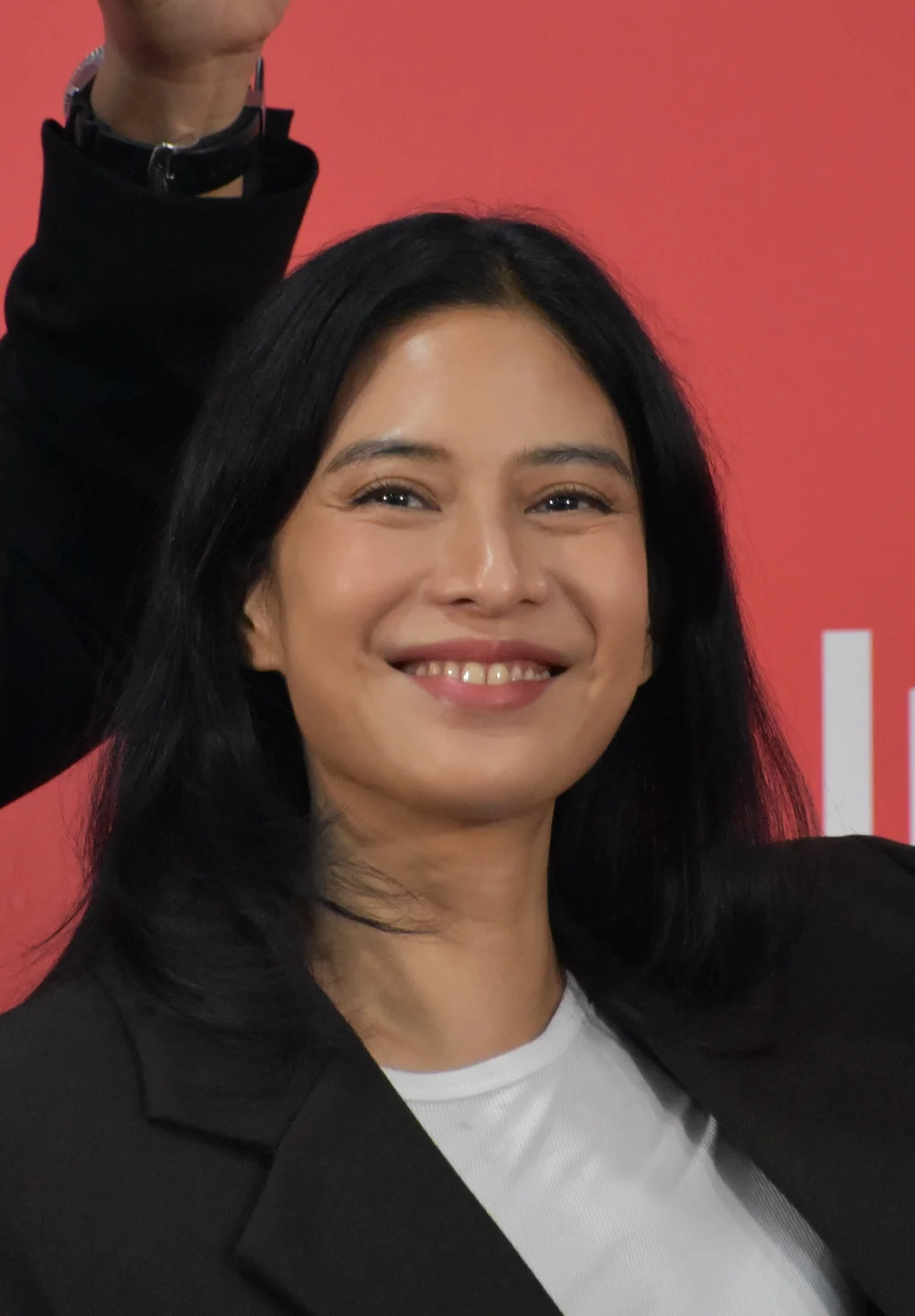
In this biography
Quick facts
- Born
- 4 March 1970
- Birthplace
- Jakarta, Indonesia
- Country
- Indonesia
- Nationality
- Indonesian
- Known for
- Ca-bau-kan, Arisan!, Berbagi Suami and Kalyana Shira Films
- Birth name
- Nurkurniati Aisyah Dewi
- Education
- Elizabethtown College and subsequent NYU film-production study
- Production company
- Kalyana Shira Films
- Arisan! dates
- 2003 film; Best Film at FFI 2004
- Distinct credits
- Director, writer and producer on different projects
Why this life matters
Her career connects directing with producing and institution-building, while demonstrating why a film’s release, a nomination and a later award are separate parts of the record.
Timeline
Key moments
Born in Jakarta
Born on 4 March.
Training and short-form work
Studied in the US before working in video clips, advertising and television.
Independent production
Established Kalyana Shira and directed Ca-bau-kan.
Arisan! and its awards
The 2003 release won Best Film at the 2004 Indonesian Film Festival.
Berbagi Suami
Directed a multi-story film about polygamy and women’s lives.
Documentary-festival jury
The festival programme documented her directing and producing work as distinct activities.
A World Without
Directed the Netflix film and co-wrote its screenplay with Lucky Kuswandi.
Training, television work and independent production
Nia Dinata was born Nurkurniati Aisyah Dewi in Jakarta on 4 March 1970. She studied mass communication at Elizabethtown College in Pennsylvania and later took film-production study at New York University. Her early professional work included television, music videos and advertising before feature filmmaking.
She established Kalyana Shira Films in the early 2000s, creating a production base as well as a platform for her own directing. Ca-bau-kan, released in 2002 and adapted from Remy Sylado’s novel, addressed Chinese Indonesian experience through a period story. Building the production company and making a first feature were connected tasks, but neither reduced the finished film to the work of one person alone.
Arisan! and the distinction between film and directing awards
Arisan!, or The Gathering, followed in 2003. Dinata co-wrote the screenplay with Joko Anwar and directed a satire of Jakarta social circles whose relationships included gay characters. Its treatment of sexuality was part of the story of friendship and social expectations, rather than an isolated publicity claim about the director’s personal life.
The film won Best Film at the Indonesian Film Festival in 2004. The official archive also lists Dinata among the directing nominees, while naming Rudi Soedjarwo as that year’s Best Director for Ada Apa dengan Cinta?. These separate categories prevent a common biographical error: assigning every prize won by a film to its director, or moving the awards into the film’s earlier release year.
Women’s stories and work as a producer
Berbagi Suami, released internationally as Love for Share, examined polygamy through several women’s experiences in 2006. Its structure brought different social settings into one film, allowing the subject to appear through relationships and everyday choices rather than only as an abstract argument. The FFI archive records it as another part of Dinata’s directing career.
Producing was a separate and continuing strand of her work. The 2014 Festival Film Dokumenter programme identified her as a director, producer and Kalyana Shira founder, and discussed documentary production alongside her better-known features. A producer helps bring work into existence without necessarily directing it; keeping the credit distinct makes space for the other filmmakers involved in those projects.
A World Without and a different form of social storytelling
In 2021 Dinata directed A World Without, co-writing the screenplay with Lucky Kuswandi. The film follows three young women who enter a restrictive community led by a charismatic figure. Its premise moves questions about autonomy and belonging into speculative fiction rather than returning to the same setting or characters as Arisan!.
The Netflix release extended a career already spanning independent features, television, documentary production and film institutions. It did not erase the earlier collaborative work behind Kalyana Shira. Read across those stages, Dinata’s filmography shows repeated attention to women’s choices and social expectations while also changing genre, collaborators and the means through which an audience encountered the films.
Quick answers
Frequently asked questions about Nia Dinata
- What is Nia Dinata’s birth name?
- She was born Nurkurniati Aisyah Dewi and is professionally known as Nia Dinata.
- Did Arisan! win its FFI awards in 2003?
- The film was released in 2003, but its Best Film award was at Festival Film Indonesia 2004.
- Did Nia win Best Director at FFI 2004?
- The official archive lists her as a nominee. Rudi Soedjarwo won Best Director that year; Arisan! won the separate Best Film category.
- Who wrote A World Without with Nia Dinata?
- She co-wrote the 2021 film with Lucky Kuswandi and also directed it.
Keep exploring
Lives connected to this story
- Riri Riza
Compare a fellow Indonesian director’s distinct work in musicals, literary adaptations and historical drama.
- Joko Anwar
Continue to the co-writer of Arisan! and his later career as a director, keeping the film’s directing and writing credits separate.
- Dian Sastrowardoyo
Compare the actress’s 2004 Citra win for Ada Apa dengan Cinta? with Arisan!’s separate Best Film award at the same festival.
- Christine Hakim
Explore another Indonesian filmmaker’s distinct work as a performer and producer.
- Wisit Sasanatieng
Compare a different regional filmmaker’s use of genre and later streaming distribution.
Sources and further reading
Explore the evidence
These references support the biography and offer further reading. Official records, first-person accounts and independent reporting provide different perspectives; image records document attribution and licensing.
- 1. The Jakarta Post · original profile and interview18 February 2009: birth, education and early work
The original profile supports the exact birthday and educational sequence. A subsequent film-production course is not automatically described as a second university degree.
- 2. Indonesian education and culture ministry · 2012 award profilesBirthday, training and separate directing/producing credits
- 3. Festival Film Indonesia · filmmaker archiveKalyana Shira, Ca-bau-kan and Berbagi Suami
The general biography labels Arisan! as 2004; the contemporaneous production biography distinguishes its 2003 release from its 2004 FFI awards. The official results control the award-category claims.
- 4. Arisan! · contemporaneous production biography2003 film, writing partnership and early production work
- 5. Festival Film Indonesia · official 2004 resultsArisan! Best Film and the separate directing result
Best Film belongs to Arisan!; Dinata was a directing nominee, not the 2004 directing winner. The separate Dian Sastrowardoyo reading link does not imply that she starred in Arisan!.
- 6. Festival Film Dokumenter · 2014 programmeJury biography and documentary producing
The programme identifies both producing and directing. Films she produced are not indiscriminately added to her directing credits.
- 7. Netflix · distributor catalogueA World Without, 2021
- 8. Kompas · contemporary film report14 October 2021: director, co-writer and release
- 9. Wikimedia Commons · reviewed video extraction2015 festival frame, CC BY 3.0 and licence review
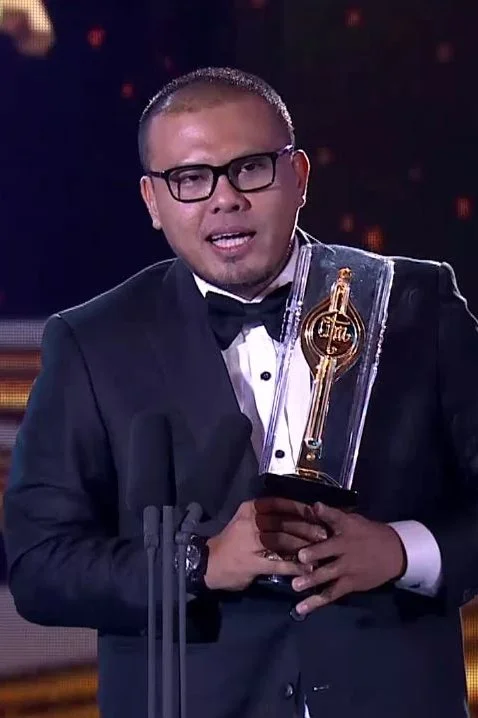
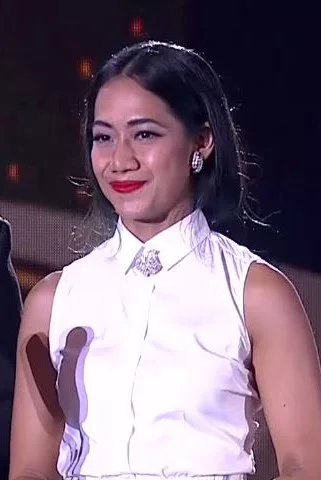
Commons records a licence review by GRuban on 8 January 2021 for the Netmediatama video, with CC BY 3.0. The subject frame is from the 2015 ceremony; the 2021 extraction/review timestamp is not the event date. The supplied 321×480 portrait is not enlarged.
- 10. Netmediatama · original videoFFI 2015 Part 8/8: source video for the frame