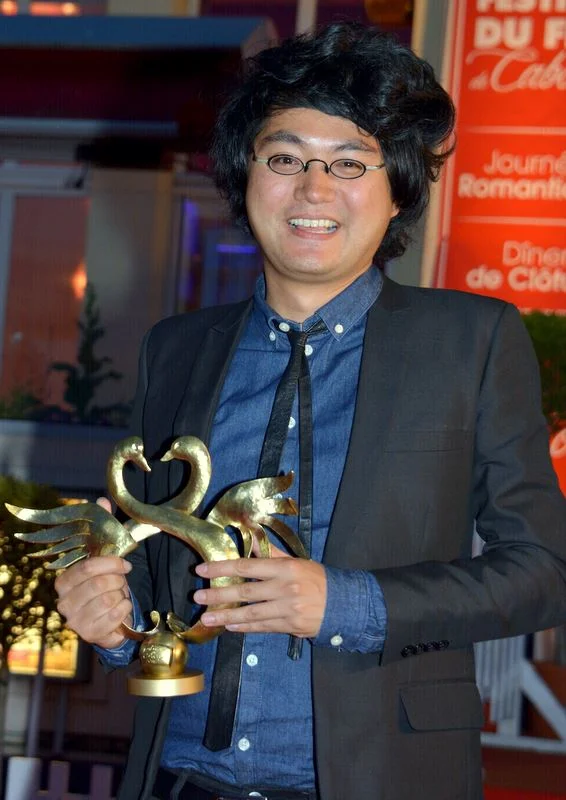
In this biography
Quick facts
- Born
- 1987
- Birthplace
- Phnom Penh, Cambodia
- Country
- Cambodia
- Nationality
- Cambodian
- Known for
- Last Night I Saw You Smiling, White Building and co-founding Anti-Archive
- Born
- 1987, Phnom Penh
- Education and training
- Graphic-design graduation and Busan Asian Film Academy participation, 2013
- Anti-Archive
- Co-founded in 2014 with Davy Chou and Steve Chen
- Documentary feature
- Last Night I Saw You Smiling, premiered in 2019
- First fiction feature
- White Building, 2021; co-written with Daniel Mattes
- 2026 work
- The Nightseekers, a 25-minute documentary short
Why this life matters
His work connects personal experience with changing urban spaces while preserving the differences between documentary observation, fictional characters and collaborative filmmaking.
Timeline
Key moments
Birth in Phnom Penh
Grows up in the community associated with the White Building.
Early filmmaking and training
Begins documentaries, completes graphic-design studies and joins the Asian Film Academy.
Anti-Archive
Co-founds the production company with Davy Chou and Steve Chen.
Three Wheels
Makes his first short fiction film.
Displacement and documentary
Leaves the White Building before demolition; the documentary premieres at Rotterdam in January 2019.
White Building
The fiction feature screens in Venice’s Orizzonti; Piseth Chhun wins its Best Actor prize.
The Nightseekers
A documentary short revisits footage originally filmed in 2014.
Growing up inside Phnom Penh’s White Building
Kavich Neang was born in Phnom Penh in 1987 and grew up in the White Building, the housing complex that would later become central to his filmmaking. His father was a sculptor, and his early interests included music and dance. The production account places his family within the building’s artistic and residential community, not outside it as visiting observers.
He graduated in graphic design in 2013. That background belongs alongside later professional film training, rather than being silently relabelled as a university degree in cinema. His experience of a particular home and neighbourhood gave his films recurring material, but the later work also depended on deliberate choices about observation, performance and form.
Learning documentary and building Anti-Archive
Neang began making documentaries in 2010 under Rithy Panh’s guidance. Participation in Busan’s Asian Film Academy followed in 2013, while the Cannes residency became another stage of development in 2017–2018. These were professional programmes with different purposes, not interchangeable academic qualifications.
In 2014 he co-founded Anti-Archive with Davy Chou and Steve Chen. The collaborative structure became important to the production of Cambodian independent cinema. Three Wheels, made in 2015, marked his move into short fiction, extending a practice that had begun with documentary rather than replacing it altogether.
Two films about the loss of home
Last Night I Saw You Smiling follows his family and neighbours preparing to leave the White Building before its 2017 demolition. The feature-length documentary premiered at Rotterdam in January 2019 and received NETPAC recognition. Its observational basis makes it a different work from the fiction feature that followed.
White Building, released in 2021, centres on the fictional Samnang and a community facing displacement. Venice credits Neang and Daniel Mattes as screenwriters. The film screened in Orizzonti, where Piseth Chhun received Best Actor. That was an acting award for Chhun, not a Best Director or Best Film prize for Neang. Calling it Neang’s first fiction feature preserves the earlier documentary’s place in his career.
Memory, movement and new work
Neang’s published statement for White Building connects the fiction to his family’s experience while allowing its protagonist to take a different path. Memory is therefore a starting point for the work, not a guarantee that every scene is a direct record of his own life.
The Nightseekers continued the interest in ordinary lives and movement. Anti-Archive’s 2026 record describes a 25-minute documentary about five siblings performing breakdance around Phnom Penh, assembled after footage filmed in 2014 was rediscovered years later. It credits Neang as director, cinematographer and editor. The filming date and the later release belong to separate stages of one project.
Quick answers
Frequently asked questions about Kavich Neang
- What is Kavich Neang known for?
- He is known for Last Night I Saw You Smiling, White Building and co-founding Anti-Archive with Davy Chou and Steve Chen.
- Was White Building Kavich Neang’s first feature?
- It was his first fiction feature. The feature-length documentary Last Night I Saw You Smiling premiered earlier, in 2019.
- Did Kavich Neang win Venice’s Best Actor award?
- No. Piseth Chhun won the 2021 Orizzonti Best Actor award for his performance in White Building.
- What is The Nightseekers?
- It is Neang’s 2026 documentary short about five siblings and breakdance, made using footage originally shot in 2014.
Keep exploring
Lives connected to this story
- Lomorpich Rithy
Read about Lomorpich Rithy’s youth-centred films, village-festival work and regional filmmaking collaborations.
- Davy Chou
Read about Neang’s Anti-Archive co-founder and the distinct directing and producing careers within that collaboration.
- Rithy Panh
Explore the documentary filmmaker identified in Neang’s account of his early training.
- Kalyanee Mam
Compare a different Cambodian documentary practice concerned with communities and change.
Sources and further reading
Explore the evidence
These references support the biography and offer further reading. Official records, first-person accounts and independent reporting provide different perspectives; image records document attribution and licensing.
- 1. Festival de Cannes · residency project biographyOrigins, graphic-design study, early documentaries and Three Wheels
This development document is used for biography and training, not provisional runtime or an unreleased synopsis. Venice supplies the released film’s credits. A graphic-design qualification is not recast as an unverified film degree.
- 2. Anti-Archive · Last Night I Saw You Smiling press kitFamily, White Building, founders and the documentary’s 2019 premiere
The documentary preceded the fiction feature. Household counts and contradictory resident totals are unnecessary and omitted.
- 3. D’A Film Festival · director biographyTraining, residency and documentary awards
- 4. Venice Film Festival · 2021 film recordReleased fiction film, co-writer, cast and director’s statement
- 5. Venice Film Festival · 11 September 2021 official awardsPiseth Chhun’s Orizzonti acting award
The acting prize belongs to Piseth Chhun, not Neang or the film as a Best Film winner.
- 6. Anti-Archive · The Nightseekers2026 short, credits, duration and earlier footage
2014 filming and 2026 release are separate. The production record is used for credits and provenance, not as independent critical acclaim.
- 7. Wikimedia Commons · image provenanceKavich Neang photograph, creator and reuse terms
The Commons author declares own work and CC BY-SA 4.0. The camera date is 4 February 2022; the later upload date is not substituted for it. The supplied portrait is retained in full, without additional cropping or an unsupported Cannes-event caption.