In this biography
Quick facts
- Born
- 6 September 1971
- Died
- 15 January 2018
- Birthplace
- Ballybricken, County Limerick, Ireland
- Country
- Ireland
- Nationality
- Irish
- Known for
- The Cranberries, Linger, Zombie, solo albums and D.A.R.K.
- Band entry
- Joins the future Cranberries in 1990
- Debut album
- Everybody Else Is Doing It, So Why Can’t We?, 1993
- Solo albums
- Are You Listening? and No Baggage
- Final band album
- In the End, released posthumously in 2019
Why this life matters
Her distinctive vocal identity and collaborative writing helped a Limerick band reach a worldwide audience while retaining the sound and relationships of its origins.
Timeline
Key moments
Ballybricken birth
Born on 6 September.
A new singer
Joins Noel and Mike Hogan and Fergal Lawler.
International breakthrough
The Cranberries release their first two albums.
Further band work
Bury the Hatchet and Wake Up and Smell the Coffee appear.
Solo projects
Releases Are You Listening? and No Baggage; the band reunites in 2009.
Renewed collaboration
Roses, D.A.R.K.’s Science Agrees and Something Else extend her recording work.
Death in London
Dies on 15 January, aged 46.
In the End
Surviving bandmates complete and release the album using her recorded vocals.
A musical childhood developed several kinds of listening
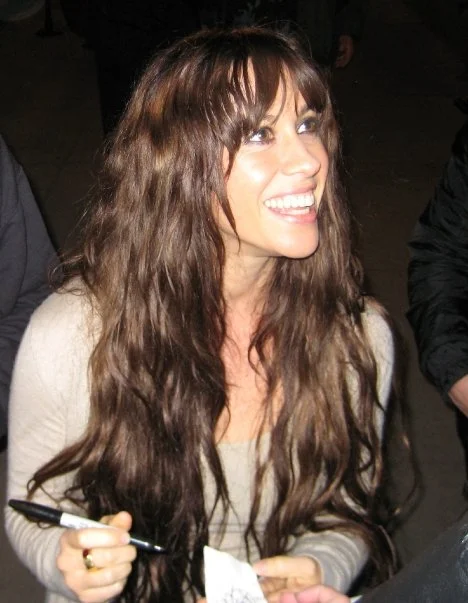
Dolores Mary Eileen O’Riordan was born in Ballybricken, County Limerick, on 6 September 1971. Her childhood involved Irish-language education, church singing and instrumental study. School and church gave her opportunities to perform; the music she heard ranged beyond a single tradition. The University of Limerick later traced her singing to Irish ballads, Gaelic and English songs, country music and choir experience. Those influences became part of a recognisable voice without preventing her from embracing contemporary rock. The movement from a local choir to an international band was an expansion of musical resources, rather than a clean break with them.
An audition began a durable creative partnership
In 1990 O’Riordan auditioned for the Limerick group then called the Cranberry Saw Us. Its members were guitarist Noel Hogan, bassist Mike Hogan and drummer Fergal Lawler. She brought a keyboard and a voice that transformed the possibilities of the group. Noel gave her instrumental material to take away; she returned with the vocal writing that became Linger. That exchange established a durable partnership. The band’s subsequent identity depended both on her singing and on the instrumental and organisational contributions of the others, working from local rehearsals and demos toward a record contract and a wider touring life.
The first records travelled through touring and broadcasting
Everybody Else Is Doing It, So Why Can’t We? appeared in 1993, produced with Stephen Street. Its international growth involved touring, radio and the circulation of the Linger video, rather than immediate success everywhere on release. No Need to Argue followed in 1994. O’Riordan’s response to the 1993 Warrington bombings became Zombie, giving the band’s public voice a markedly forceful subject. The two albums made her a highly visible frontwoman, but their history also includes management, production and repeated performance. Her voice reached listeners through a band, a recording process and the institutions that distributed the results.
Fame had to coexist with family and a sustainable working life
O’Riordan married Don Burton in 1994 and they had three children. Extensive touring brought professional opportunity alongside difficult demands on health and family life. She continued writing through periods away from the road, including material exchanged with Noel Hogan from Canada. Bury the Hatchet appeared in 1999 and Wake Up and Smell the Coffee in 2001. When the Cranberries announced a break in 2003, it created space for different work rather than ending her musical ambition. Her career’s changing rhythms make more sense when writing, recording, performance and domestic responsibilities are considered together.
Solo records and D.A.R.K. opened further relationships
Are You Listening? in 2007 and No Baggage in 2009 established O’Riordan’s solo album work. She also collaborated outside the familiar band setting. D.A.R.K., with Andy Rourke and Olé Koretsky, released Science Agrees in 2016. The estate’s account presents these projects as further musical exploration, while the dated records locate them within a career that also returned to the Cranberries. A solo name or another group did not erase the earlier collaborative skills. Different partners and recording settings offered new ways to place her singing, instrumental ideas and songwriting in relation to other musicians.
Reunion connected new work with older songs
The Cranberries reunited in 2009 and released Roses in 2012. Something Else followed in 2017, revisiting familiar songs alongside new material with strings. The University of Limerick’s citation identifies the Irish Chamber Orchestra quartet and the recording setting at its studios, preserving the specific collaborators behind a broad label such as orchestral. Meanwhile O’Riordan and Noel Hogan continued exchanging new ideas at a distance. Their separate-writing method, which had once used cassettes, now used digital recordings and messages. It allowed a creative conversation to continue across households, countries and changing schedules.
Recorded work supported a final act of collaboration
O’Riordan died in London on 15 January 2018, aged 46. The surviving band members later completed In the End using vocals she had recorded while the project was developing. Their interviews describe reviewing material, discussing the plan with her family and returning to work with Stephen Street. The album appeared on 26 April 2019. It is both a record of her existing performances and a later production involving decisions she could no longer revisit. Her contribution remains audible through that shared labour, alongside a longer catalogue of band recordings, solo work and collaborations rooted in her distinctive musical upbringing.
Quick answers
Frequently asked questions about Dolores O’Riordan
- Was In the End recorded entirely after Dolores O’Riordan died?
- Her vocals and writing already existed in developing recordings. Her bandmates and Stephen Street completed the production after her death.
- When was Bury the Hatchet released?
- The band’s official music catalogue gives 1999. A 1996 date on the estate biography is an error.
Keep exploring
Lives connected to this story
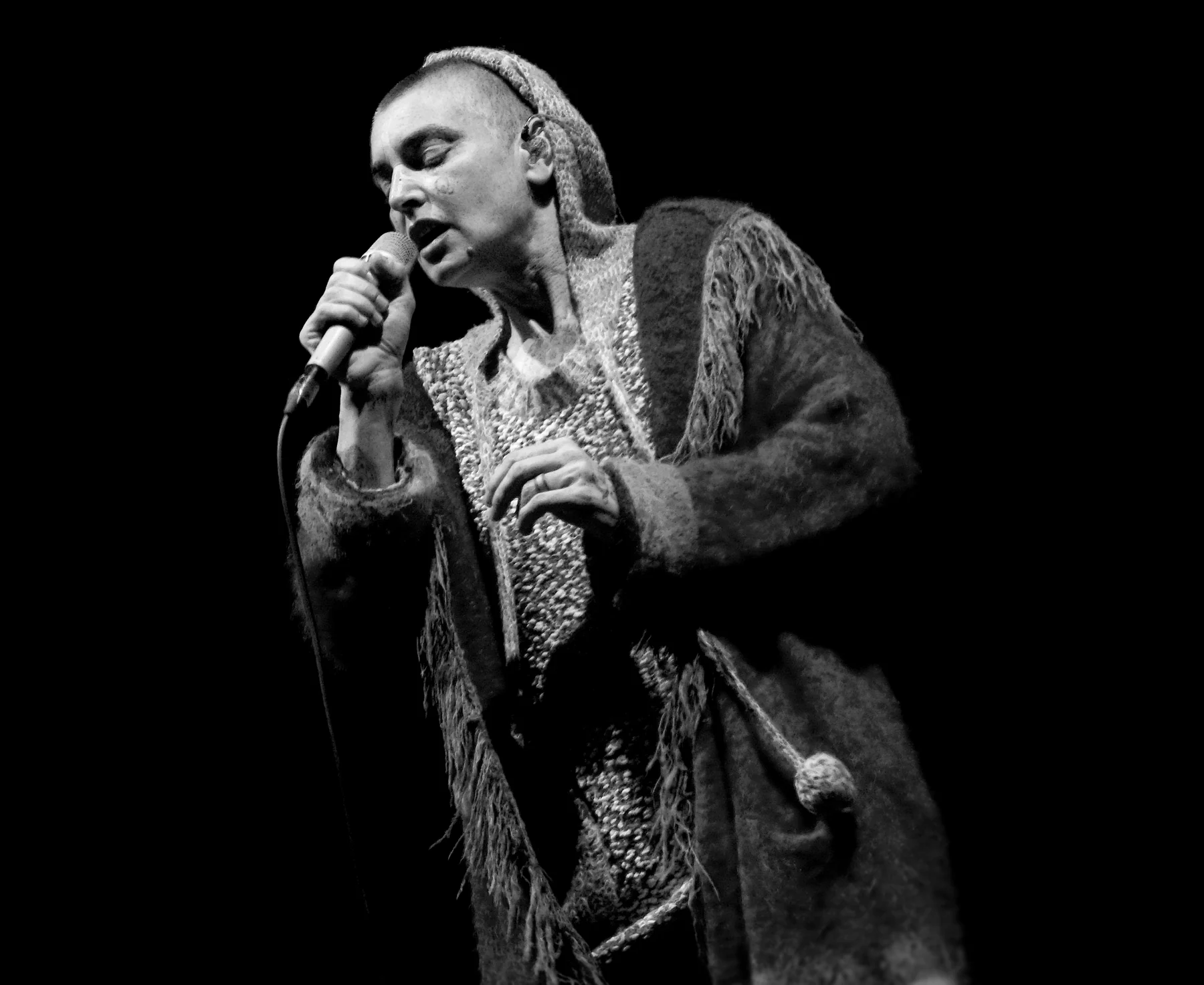
- Sinéad O’Connor
Compare another Irish singer’s relationship between interpretation, original writing and public identity.
Sources and further reading
Explore the evidence
These references support the biography and offer further reading. Official records, first-person accounts and independent reporting provide different perspectives; image records document attribution and licensing.
- 1. Royal Irish Academy / Dictionary of Irish BiographyO’Riordan, Dolores Mary Eileen, Niav Gallagher, revised July 2026
Web biographical sections read through later career: birth, musical education, early band, marriage and children, touring, solos, reunion and death. Estate conflicts in death age, audition song and Bury the Hatchet date logged; no lyrics quoted.
- 2. University of LimerickThe Cranberries: honorary Doctor of Letters citation, 2019
Entire citation read: named band roles, singing influences, Limerick relationships, 2009 reunion and 2017 ICO string-quartet sessions. Statistical sales/current-listener claims not reused. No cited performance watched.
- 3. Dolores O’Riordan official siteDolores O’Riordan: biography, Stuart Clark
Complete estate biography read. Used for musical influences, solo work and D.A.R.K.; its age 47 at death and Bury the Hatchet 1996 are errors and excluded. Audition song conflicts with DIB and is withheld.
- 4. The Cranberries official siteThe Cranberries: biography, Stuart Clark
Entire official biography read; guide uses family consultation and final-album release. Date-sensitive 2025–26 promotional claims and sales figures omitted. No lyrics quoted.
- 5. The CranberriesThe Cranberries: music catalogue
Album titles and dates read, including Bury the Hatchet 1999, Roses 2012, Something Else 2017 and In the End 2019. No complete album listened to.
- 6. Song Exploder / Thao Nguyen, Noel Hogan and Christian KoonsEpisode 158: The Cranberries — All Over Now, transcript
All nine pages read, including credits and instrumental postscript. Account of separate writing, recovered vocals, drum/keyboard/guitar decisions examined. Transcript p5 retained keyboard conflicts with p6 only guitar/vocal summary; unresolved. No audio listened to; all lyrics excluded.
- 7. NMEThe Cranberries on their final album, Elizabeth Aubrey, 22 January 2019
Full long interview read: 2017 exchange of ideas, family discussion, Stephen Street, separated vocal/instrumental sessions and completion by May 2018. Statements about grief or what Dolores would have wanted remain attributed.
- 8. The Cranberries / Apple MusicIn the End: album release record
Release field read: 26 April 2019, 11 songs, rights line naming Curtain Call Limited and Juztol Limited under exclusive licence to BMG Rights Management (UK) Limited. No preview/full song played.