In this biography
Quick facts
- Born
- 1969
- Birthplace
- Melbourne, Victoria
- Country
- Australia
- Nationality
- Australian
- Known for
- Elizabeth, The Aviator, Blue Jasmine, Sydney Theatre Company and refugee advocacy
- Training
- National Institute of Dramatic Art; graduated 1992
- Breakthrough film
- Elizabeth, 1998
- Oscar wins
- The Aviator, 2005 ceremony; Blue Jasmine, 2014 ceremony
- UNHCR role
- Global Goodwill Ambassador since 2016
Why this life matters
Her career connects the work of a screen performer with theatre leadership and refugee advocacy, rather than following a one-way departure from the Australian stage.
Timeline
Key moments
Melbourne, training and theatre
Born in Melbourne, graduates from NIDA in 1992 and gains early stage recognition.
An international screen breakthrough
Paradise Road and Oscar and Lucinda precede Elizabeth.
First Academy Award
Wins supporting actress for The Aviator, released in 2004.
Joint theatre leadership
Shares Sydney Theatre Company’s artistic directorship with Andrew Upton, according to its historical roster.
Screen work and advocacy
Wins for Blue Jasmine in 2014; UNHCR appoints her in 2016 and records a decade of advocacy in 2026.
Australian theatre came before the film breakthrough
Cate Blanchett was born in Melbourne in 1969 and graduated from the National Institute of Dramatic Art in 1992. Early theatre work included Kafka Dances, which brought a Sydney critics’ newcomer award in 1993. Training and live performance were foundations of her career, not sidelines acquired after film stardom.
In 1997 she appeared in Bruce Beresford’s Paradise Road and starred in Gillian Armstrong’s Oscar and Lucinda. The films placed her within an Australian screen industry already connected to international stories and audiences. Elizabeth followed in 1998, giving that developing career a much larger public profile.
Elizabeth established a presence without being an Oscar win
In Shekhar Kapur’s Elizabeth, Blanchett played a young queen negotiating political danger and pressure to marry. Working Title’s credits identify Michael Hirst as screenwriter and a substantial ensemble around her. The film’s rise-to-power narrative made the performance central without making its actor the author of the historical interpretation.
Blanchett received an Academy Award nomination for the role at the 1999 ceremony. Her first Oscar came instead at the 2005 ceremony, for her supporting performance as Katharine Hepburn in The Aviator. She won the leading-actress award for Blue Jasmine at the 2014 ceremony. Release years and presentation years are different points in that sequence.
Changing roles did not require abandoning the stage
Blanchett’s screen work includes the Bob Dylan role in I’m Not There and the central relationship in Carol. These parts differ in period, voice and dramatic form from a royal biopic. The National Portrait Gallery also records her stage work in Uncle Vanya, illustrating the continued importance of theatre alongside film.
She shared Sydney Theatre Company’s artistic leadership with Andrew Upton. The company’s own historical roster lists their joint tenure as 2008–2012, followed by Upton alone from 2013 to 2015. Some institutional biographies round their shared period to 2008–2013; the company’s succession record is used here for the leadership dates.
Producing opened another way of shaping a story
For the Australian television drama Stateless, released in 2020, Blanchett was a co-creator, co-executive producer and performer. The series addressed immigration detention. Those credits describe participation in developing and presenting the work, beyond arriving on set to play a character.
Producing and performance nevertheless remain different responsibilities. The useful connection is that both the theatre leadership and television work involved supporting a larger ensemble and an institution or production. Neither should erase the writers, directors and other collaborators attached to each project.
Refugee advocacy is a documented public role
UNHCR appointed Blanchett a Global Goodwill Ambassador in 2016. Its current account marks ten years of that role in May 2026 and records field visits, public addresses and campaigning on displacement and statelessness. This is a specific humanitarian appointment, not a diplomatic post in the Australian government.
The agency’s profile is evidence of its work with her and its own view of that relationship. It is not an independent assessment of every policy she supports. Read alongside the screen and theatre records, it shows how she has used a public platform while maintaining a separate professional life as an actor and producer.
Sources for this section: [8]
Quick answers
Frequently asked questions about Cate Blanchett
- Where is Cate Blanchett from?
- She was born in Melbourne, Australia, in 1969 and trained at NIDA in Sydney.
- Did Cate Blanchett win an Oscar for Elizabeth?
- She was nominated at the 1999 ceremony. Her wins were for The Aviator at the 2005 ceremony and Blue Jasmine in 2014.
- When did she jointly lead Sydney Theatre Company?
- The company’s historical roster lists 2008–2012 with Andrew Upton, then Upton alone from 2013. Some biographies round the shared period to 2008–2013.
- What is her role with UNHCR?
- She has been a Global Goodwill Ambassador since 2016, undertaking advocacy and visits concerning refugees and displaced people.
Keep exploring
Lives connected to this story
- Nicole Kidman
Compare another Australian actor’s international screen career and expansion into producing; this is not a claim that they made these films together.
Sources and further reading
Explore the evidence
These references support the biography and offer further reading. Official records, first-person accounts and independent reporting provide different perspectives; image records document attribution and licensing.
- 1. Australian MuseumCate Blanchett: Melbourne origins and early screen work; exhibition biography
The museum’s 2017 exhibition text supplies origins and early films, but incorrectly conflates Elizabeth (1998) with Elizabeth: The Golden Age. Studio and Academy records control titles, nomination/win status and ceremony years; its old nomination total is not reused.
- 2. National Portrait Gallery of AustraliaCate Blanchett: training, stage and screen; biography updated 2021
The page was updated in 2021, not a complete current filmography. Its claimed aggregate Stateless awards count is not repeated.
- 3. Working Title FilmsElizabeth: synopsis, 1998 release, collaborators and awards
- 4. Academy of Motion Picture Arts and Sciences71st Academy Awards (1999): Elizabeth nomination and makeup award
- 5. Academy of Motion Picture Arts and Sciences77th Academy Awards (2005): Cate Blanchett, The Aviator
- 6. Academy of Motion Picture Arts and Sciences86th Academy Awards (2014): Cate Blanchett, Blue Jasmine
- 7. Sydney Theatre CompanyArtistic vision: historical artistic-director chronology
The company’s explicit 2008–2012 joint / 2013–2015 solo roster controls the dates over rounded 2008–2013 biographies and earlier announcements of intended departures.
- 8. UNHCRCate Blanchett: Goodwill Ambassadorship and advocacy through 2026
- 9. Wikimedia Commons / Gage SkidmoreCate Blanchett by Gage Skidmore: sole original, own-work CC BY-SA 3.0 grant
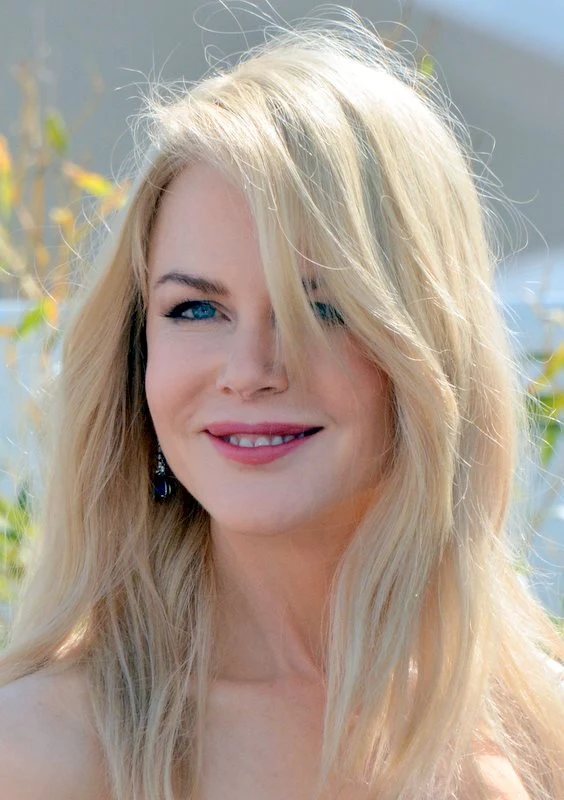
Photographer/uploader Gage Skidmore gives an own-work CC BY-SA 3.0 grant and required credit. Sole original revision, no third-party crop. The 2017 event portrait does not depict Elizabeth or any film character.